• Skip to primary navigation
  • Skip to main content
  • Skip to footer
Printing for Less

Printing for Less

At Printing for Less, we've offered high quality online printing services since 1996. Shop business cards, booklets, stickers, and more!

My LoginMy Login
800-930-2423
  • Printing
    • Postcards
    • Business Cards
    • Catalogs
    • Brochures
    • Folders
    • Letters
    • Newsletters
    • Envelopes
    • Greeting Cards
    • Print Templates
    • All Products
  • Direct Mail
    • Why Direct Mail Marketing?
    • Every Door Direct Mail® Postcards
    • Direct Mail Letters
    • Catalogs & Booklets
    • Marketing Gifts & Kits
    • Direct Mail Automation
  • Services
    • Mailing Services
    • Pro Services
    • Design Services
    • Custom Printing Services
    • Reseller Program
  • Industries
    • Advertising & Design
    • Food & Beverage
    • Healthcare Payers
    • Healthcare Providers
    • Nonprofit
    • Real Estate
    • Retail
    • Technology
    • University
  • Resources
    • Direct Mail Marketing
      Resource Center
    • Printing Resource Center
    • Blogs
    • Templates
    • Video Library
    • Have a Question?
  • Get Samples
  • Get a Quote

Printing Methods & Materials

Liquid Laminate

Liquid Laminate

Liquid laminate, also known as UV coating is an excellent way to add durability and visual impact to your printed materials. This coating protects from moisture, dirt, fingerprints, and sun exposure while providing a unique finish. Liquid laminate is a great fit for menus, brochures, signs, and business cards because it protects and enhances vibrant ink colors and quality paper. If scoring and folding are required, liquid laminate may not be the right fit because it can crack. Metallic inks look sophisticated under high gloss liquid laminate; however it is not a good fit for foil stamping.

Liquid laminate is poured on, pressed, and cured with exposure to ultraviolet light. This process guards printed pieces from moisture, scuffs, fingerprints, sun damage, and scratches.


High Gloss Liquid Laminate

Liquid laminate high gloss provides a vibrant shine that is often desired in top-shelf, commercial print projects. The sleek feel and brilliance lend to the appeal of the finished product. When your project requires a reflective, shiny surface, high gloss liquid laminate is the answer.

Matt Liquid Laminate

This elegant finish increases visual and tactile appeal by adding a smooth texture and depth to the ink. Applied in the same way as the high gloss, matt liquid laminate creates a rich, classy look that reduces shine. The finished paper has a “soft” feeling, like Egyptian cotton sheets.liquid laminate example
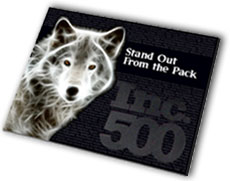
Liquid Laminate Spot Finish

Use special effects to add an extra pop to printed materials. Spot liquid laminate is an ideal method to add subtle highlights and unique textures. This is a cost effective way to add dimension. (NOTE: Achieve a similar, yet bolder effect, by combining a die with a clear foil. As pictured here. However, if you do not want to invest in a die, liquid laminate spot finish is a perfect alternative.)


Whatever your print goals, we can help you get that polished, professional piece that reflects well upon you and your business. Call one of our experts to get started: 800-930-6040.

Have questions about using Liquid Lamination on your project?
Give our helpful experts a call now at 800-930-6040.

This field is for validation purposes and should be left unchanged.

Get 20% Off

Subscribe to our weekly newsletter and get an instant 20% off your first print project.

Name(Required)
RELATED MARKETING & DESIGN TIPS

Professional Printing Tips and Resources

All types of promotional marketing materials printed in full color with quaranteed qualtity and on-time delvery. Live expert help

Read More >


Business Forms and Invoice Form Samples

Read More >


European Sizes

Sending marketing across the pond? We offer European paper sizes in A4, A3, & printing options for your brand. Request samples or design help. Learn more.

Read More >


Sequential Numbering Printing

Sequential Numbering Printing

What is sequential numbering?

Sequential numbering printing refers to printing numbers in sequential order on sets of forms or other printed pieces. Each form or piece gets a unique number and is printed in either ascending or descending numerical order.


How to use sequential numbering in printing

Sequential numbering is commonly used on carbonless forms, also known as NCR forms like invoices, purchase orders, contracts, etc. It can also be used on other printed items like raffle tickets where you need a unique identifying number.

Printing of sequential numbers

Sequential numbers can be printed almost anywhere on a sheet or form and can be positioned horizontally or vertically. Numbers can also be repeated in another position on the form. When developing your artwork, consider putting a box for numbering, making it easier for your customers or employees to find and reference a specific job or transaction. You may also differentiate your number by color. Most printers allow a choice of colors, typically black or red, to make your number stand out. Start your sequencing at any point you like, to pick up where you left off on your last print order.

Numbering Equipment

Many printers have a special numbering machine which can accurately guarantee unique numbering in a precise location. Quality control procedures are in place to ensure numbering accuracy.

Need Advice on Printing Sequential Numbering?

numbering formsIf you are thinking of using sequential numbering, please give our printing experts a call for helpful advice on how to best set up your artwork. We offer ready to use templates for the most common types of forms including invoice templates, statement templates, work order templates and purchase order templates. Just upload your logo and contact information and let us know how you would like to number your forms.
We can also shrink wrap your forms in counted bundles to help you keep track of your form inventory. Other binding options include booklets or pads in quantities of 25, 50 or 100 forms.


Have a custom numbering project?
Call our experts now at 800-930-6040
, or Request a Quote.
 
 
Get Carbonless NCR Form Printing with Sequential Numbering
 
 
This field is for validation purposes and should be left unchanged.

Get 20% Off

Subscribe to our weekly newsletter and get an instant 20% off your first print project.

Name(Required)
RELATED MARKETING & DESIGN TIPS

Business Cards with Pantone Inks and Spot UV

Get Pantone spot color and spot UV printing on your business cards to stand out from your competitors

Read More >


5 Steps to Producing a Great Catalog

5 step catalog marketing strategy that will help you produce a successful catalog to bridge online and offline sales channels.

Read More >


Successful Direct Mail Campaigns

How to create a successful direct mail campaign from start to finish with tips for creative content and cleaning your mailing list

Read More >


Recycle and Reuse: Repurposing Your Printed Material for Use on the Web

Recycle and Reuse: Repurposing Your Printed Material for Use on the Web

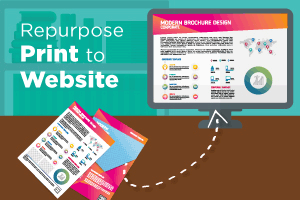
Repurpose Print To WebWhile your business likely has a comprehensive digital strategy, you’ve probably realized one of the biggest challenging of online marketing is generating valuable content! A great web presence requires a lot of great material. Creating content, whether for print or online audiences, can be both time-consuming to produce and costly to purchase.


So what’s a small to medium sized business to do? Chances are, you have a lot of business-related print material on hand. If so, you may be looking at a treasure trove you can repurpose to help you meet your online channels’ demand for content. And even better, reusing print content is an efficient and cost-effective way to help you meet your digital content needs.


Print vs. Online Content: Some Key Differences

Are you wondering if you can just grab your print content and put it online? This might sound like a reasonable approach, especially since a lot of your print material is likely marketing-related and has probably already proven its effectiveness at meeting your marketing goals.

Unfortunately, this is one of the worst approaches you can take when it comes to recycling your print content. Why? The reason lies in the structure of each type of content.

Sure, there are some similarities. Both need to be compelling, giving the reader a reason to keep reading. But copy written for print tends to follow a linear structure; the writer is able to guide the reader from point A to B to C. In essence, in print you are able to take the reader by the hand straight through to your call to action.

Online content has a very different structure. Open up any web page and what do you see? Rather than a linear path through the material, a Web page follows a branching type of structure. Online readers have a multitude of points through which they can navigate to find more material that meets their interests.

And it’s not just traditional website content, either. Social media posts are structured very differently from print media. In most social media posts, information is conveyed through just a handful of words coupled with an appealing image. And with certain social media platforms, the image forms the thrust of the message, while words play a much smaller role.

The First Step to Repurposing Your Material for the Web

Clearly, you can’t just throw your print material up online and expect it to perform well. So what is a good approach?

Your first step is to gather together all the print content you have. And here’s a key point: look beyond your marketing materials. Your first thought may be to round up all the brochures you hand out to customers, the newsletters you offer to clients, press releases-in short, everything in your print marketing arsenal.

But don’t stop there. Content you can repurpose is everywhere: fact sheets, reports, presentations, employee handbooks, training manuals, product instruction manuals, product catalogs, white papers, annual reports, case studies, policy and procedure manuals, internal memos, in-house videos, customer information guides. Even packaging materials can provide valuable content you may be able to repurpose.

Break Printed Materials into Useful Parts

Now that you’ve amassed your bounty of print material, it’s time to break everything down into parts. By reducing your best materials to component parts, you can see how your content can be repurposed in a useful, meaningful way for an online audience.

First, identify the content that continues to have value and relevance. Then, go through each piece and break it down into parts. Here are some things to look for:Break Up Content

  • data and statistics
  • quotes
  • facts
  • key points or highlights
  • summaries
  • visuals such as images, graphs, tables and charts.

As you’re doing this, keep track of the various themes and topics that appear. Be especially aware of titles, headings and subheadings, as these will often suggest natural groups for your content.

Define Your Purpose

Once you’ve broken down your relevant print materials into their component parts, what next? How do you go about using all the things you’ve found?

Remember that your goal is not to duplicate your content for an online medium. What you want your repurposed content to do is enhance or supplement the printed piece. Ideally, you don’t want your audience to notice the content is repurposed content.

How do you go about doing this? Now is the time to consider the type of online content you want. Do you need blog posts? Perhaps articles for your site? Maybe social media posts?

Once you’ve determined the type of online content you require, consider the following:

  • your purpose
  • your target audience for the content
  • your message
  • your desired outcome
  • your reach

It’s especially important to remember the purpose for your recycled content will be different from your purpose for the original piece of content. By considering each of the factors outlined above, you will be able to see what needs to be changed in each component part you’ve pulled from your stash of print content.

How to Repurpose Your Print Content

Now that you’ve done the preparatory work, it’s time to begin the task of repurposing.

What you need to do will depend on the online medium you want to use. While blog posts and articles might be the first things that come to mind, your print materials can be repurposed to a variety of other online uses, such as:

  • social media posts
  • webinars
  • videos
  • slideshows
  • podcasts
  • ebooks
  • infographics
  • shareable graphics
  • email newsletters
  • email marketing campaign
  • online photo gallery

Think about how you can get the most out of each of these types of content. For example, if you’re repurposing something in a training manual into an online tutorial, evaluate all the possible forms a tutorial could take. Look at the material you’re working with and consider what it’s best suited for: A video? A step by step static page guide with a lot of visuals? A slideshow presentation? Maybe you have access to a web developer or web design pro and can make an interactive page for the article with tools, quizzes, or other fun-to-use content.

Once you’ve decided what you want to repurpose your original content as, it’s time to buckle down and customize the piece to fit its new online home. Even after breaking down your content into parts, it will be rare to be able to use the piece as is. The following are some tips to help you repurpose each piece of content appropriately:

  • Create new introductions or summaries that work with the material you’re repurposing.
  • Write more descriptions and other copy to expand on presentations or other pieces that utilize a lot of images or graphics.
  • Keep an eye out for opportunities to link to your other online channels, whether it’s posts on your blog, other pages on your website or your social media platforms.
  • Reinforce the SEO (search engine optimization) effectiveness of your repurposed pieces by adding relevant and appropriate keywords. Most print content will not contain enough keywords for proper SEO, so your repurposing session is a good time to make sure your recycled pieces have the keyword power to draw visitors from the search engines.

Six Repurposing Ideas to Play Around With

To get you started, here are six ideas you may be able to apply to your print content right now:

  1. Slideshare presentations. Have you or your staff put in a lot of time on a PowerPoint presentation? Don’t let all that hard work go to waste. Try transforming useful and relevant presentations into online content that can be easily embedded into your website. Not sure where to start? Slideshare offers users six tips for repurposing content on Slideshare.
  2. Blog post series. Remember those mini-themes you jotted down as you went through your pile of print content? Chances are, they probably came from some type of long-form documents, such as reports, white papers or case studies. Or perhaps the mini-themes popped out at you from a presentation. No matter the source, consider designing a series of blog posts around one of these mini-themes, using the content you’ve pulled from your original print source as the basis for each post in the series.
  3. Polls and surveys. Your print content can offer great insights into your customers. Build on these insights by designing a poll or survey you can embed on your site or link to via social media platforms. The data you gather from these surveys can give you ideas for articles or other online content that provide answers for your customers.
  4. Infographics. If you or your staff have spent any time at all collecting data, chances are much of that information has found its way into various forms of your print content. Consider putting together an infographic based on the data or statistics you’ve generated. If you haven’t done this before, there are a number of free tools available online to help with the task. For example, Canva is a multi-featured online design tool that offers an easy, drag-and-drop infographics creator.
  5. Guest posts. Leverage the power of external links to your Web properties by repurposing your print content into guest posts for other sites. Use copy and images from brochures, manuals, handbooks and white papers to create posts that will showcase your business’s particular expertise.
  6. Social media posts. What types of social media posts work best in terms of generating likes and shares? Buffer recently did a study which looked at over 16 million updates on a variety of social media platforms, including Facebook and Twitter, and found that posts containing either videos or photos worked best to generate customer engagement. Finding or creating good images or videos can be a costly process, but your print content is very likely filled with images that can be reused to generate new social media content. Here are three ways images can be repurposed for social media:
    • as images to directly accompany a social media update
    • modified with quotes from your print materials
    • to generate shareable video content.

These are just a few ideas for repurposing your existing print content for your website. As you become more comfortable reusing the copy and images your business has already created, you’ll find more and more ways to turn valuable print content into equally valuable online material.

This field is for validation purposes and should be left unchanged.

Get 20% Off

Subscribe to our weekly newsletter and get an instant 20% off your first print project.

Name(Required)
RELATED MARKETING & DESIGN TIPS

Specialty Printing Options

Trust the experts at Printing for Less with your specialty print. We offer a wide array of specialty printing options & services. Learn more.

Read More >


Preparing Photos for Print Projects

You’ll learn how to use resolution and sharpening to improve digital photos so that they look crisp and sharp in your printed projects

Read More >


Envelope Printing and Design

Get envelopes printed online with sustainable printing options and visual flair to boost your response rates. Learn more on how to create effective designs.

Read More >


Realities of Print: Can Paper Really Be Environmentally-Friendly?

Realities of Print: Can Paper Really Be Environmentally-Friendly?

( + Printing for Less’s Guide: How-To Choose a Green Printer)

When you think about printing, what comes to mind? You’re likely thinking “ink,” “paper,” or maybe even “mailing.” The words “eco-friendly,” “sustainability,” and “green” are probably the last you would think of, right? This is why one of the biggest challenges that green printers face is educating their customers about sustainable practices.


Considering the common knowledge about sustainability, this isn’t surprising! As members of modern society, we’re all looking for new ways to lessen our environmental impact. The most common way is to be more conscious and selective about what types of processes, products, and vendors you support. With all the marketing speak and misconceptions about what’s environmentally-friendly and what’s not, making the right decisions can be a difficult and confusing process. Considering printing’s controversial nature, this adds a whole other layer of complexity.

Misleading environmental claims like deforestation, excessive energy consumption, and crowded landfills have overshadowed the fact that today’s paper often comes from a renewable resource, is recyclable and even responsible. So, to help cut through the clutter, let’s talk about some of the common misconceptions about the print industry’s effect on the environment.

Fact 1. Paper supports sustainable forest management.

sustainable tree farmDid you know that the print industry plants more trees than it harvests? That’s right! In fact, the North American paper industry promotes sustainable forestry and depends on sustainable forest growth to provide a reliable supply of wood fiber. Paper manufacturers do this by encouraging forest sustainability through their purchase and use of certified wood fiber and by promoting sustainable forest management policies and practices.



Today, there are 25% more trees than in 1900. Trees are grown and planted by tree farmers. When mature, the trees are harvested and paper is made. After the harvest, new trees are planted completing the circle of sustainability. Paper companies that use responsible forest management practices plant about four trees for every tree harvested.

There are also a number of credible certification systems ensuring that paper certified under them comes from a responsibly managed forest source. If paper companies comply with the strict regulations set by these certification systems, printing becomes a renewable resource that is both recyclable and biodegradable.

By providing a dependable market for responsibly grown fiber, the industry also encourages landowners to continue managing their forestland instead of selling it for development or other non-forest uses. In addition to replenishing the supply of recycled fiber, the U.S. paper industry’s perpetual use of trees harvested from responsibly managed forests has a host of economic, social and environmental benefits.

Fact 2. The carbon footprint of paper is not as high as you may think.

Did you know that most of the energy used to make pulp and paper is renewable? The print and paper industry accounts for only 1% of global carbon dioxide emissions; at a global level, the greenhouse gas emissions from the forest products industry value chain are largely offset by sequestration in forests and forest products.

The U.S. forest products industry is a leader in the production of renewable energy, with more than 65% of the on-site energy needed to produce paper products derived from carbon-neutral biomass. Over the past decade, the pulp and paper industry has made an impressive commitment to improving fuel efficiency and independence by investing in their infrastructures to replace fossil fuels with alternative energy sources.

Bonus fact:
Electronic media also has environmental impacts.
A recent study estimates that developing countries will produce at least twice as much electronic waste (e-waste) as developed countries within the next six to eight years. Uncontrolled toxic emissions can result from informal recycling practices often used in the developing world. These emissions can include dioxins, furans, and cyanide. Yikes!

Fact 3. Paper is one of the few truly sustainable products.

Did you know that paper is one of the most recycled products in the world? Paper is made from a natural resource that is renewable, recyclable and compostable. In the U.S., more paper is recycled than any other commodity in the municipal solid waste stream, including plastics, glass, and metals.

The truth is that virgin fiber harvested using recognized third-party certified sustainable forestry practices is as environmentally sound like the use of recycled paper. While the recycled paper does reduce waste, paper’s full life cycle must be considered before making a determination. Recent Life Cycle Management studies show that there are limitations to the use of recycled fiber that make the need for virgin fiber inevitable, including the loss of yield and strength during the repulping and deinking process.

Fiber can be recycled no more than 5-7 times, and not all categories of paper can be recycled for use in printing and writing grades. Both recycled and virgin fiber have their purpose and justification for use. But the reality is that the paper industry can use all of the recycled fiber available, but the recycled paper industry depends on virgin fiber. They are both parts of the same cycle.

Since we began tracking how much paper gets recycled back in 1990, the recovery rate for used paper has increased dramatically. We’re not only recovering more, but we now know how to get the most environmental and economic benefits from using recycled paper in new products.

To produce something that is environmentally-friendly can be something as simple as the ink we use, or where the paper we used has been sourced. If businesses intend to change the way they market, then it is time to search for ways to use stuff with a much smaller carbon footprint.

But, how can you tell if a product is earth-friendly?

When searching for earth-friendly products, be aware of misleading marketing. As a result of high consumer demand for earth-friendly products, many manufacturers have simply used marketing and packaging to mislead customers into thinking their goods are ecological. So common is this deceptive practice, a term has been coined for it: greenwashing.

Greenwashing can be hard to spot, but keep in mind that “A greener sign doesn’t mean a greener business.” In the print industry, “Go paperless!” messaging can be misleading and may not meet best practices for environmental marketing. Many leading U.S. companies are urging their customers to go paperless with claims that paperless bills, statements, and other electronic communications save trees, are “greener” or otherwise protect the environment.

Beyond the fact that “Go paperless!” marketing messages ignore the highly sustainable nature of print on paper – it comes from a renewable resource, is recyclable and recycled more than any other commodity in the U.S. and has great carbon characteristics – these claims fail to meet the most basic tests for acceptable environmental marketing as outlined by the U.S. Federal Trade Commission (FTC) and others.

You see? Print isn’t so bad after all!

Led by sustainable and responsible forestry, paper production, and printing, Printing for Less is working to ensure that, in a world of scarce resources, print and paper’s unique recyclable and renewable qualities can be enjoyed for generations to come. We take the responsibility of protecting our environment seriously. Sustainability is the future of U.S. print.

Interested in talking with our team about your print desires? Contact Printing for Less at 800-930-6040 for more information.

Want to learn more about how to choose sustainable print solutions? You’re in luck! Our free resource, “The Ultimate Guide: How To Decide if a Printer is Green Enough for You”, is below!


The Ultimate Guide: How To Decide if a Printer Is Green Enough for You

So, what does all this mean for you? If you are looking to get marketing materials or stationery printed for your business but want to make sure you utilize a printer who uses responsible printing practices, there are a few things you should consider:

1. Who is their paper vendor?

Check to make sure your printer uses a company who holds a certification that shows they are adhering to strict forest management standards.

2. Do they offer a variety of recycled papers

Green printers should offer a range of different recycled paper stocks depending on what you are looking for.

3. What type of ink do they use?

Vegetable-based inks and UV printing are a good choice because they are gentle on the environment and still produce bright, high-quality images.

4. What do their printing processes look like?

Consider things like whether or not they use wind power, their facility and what their company recycling policy is.

If you really want to make the right decisions when it comes to paper and green printing, it’s important to learn all the facts. Do your research and utilize a printer who works with a certified paper company and offers a variety of environmentally-friendly benefits. You’ll rest easy knowing that your printed materials are coming from an eco-friendly printer who cares about the environment.

This field is for validation purposes and should be left unchanged.

Get 20% Off

Subscribe to our weekly newsletter and get an instant 20% off your first print project.

Name(Required)
RELATED MARKETING & DESIGN TIPS

How to Create a Small Business Marketing Plan

Need help creating a small business marketing plan? We created a detailed step by step guide to get your marketing out into the world. Learn more!

Read More >


Box Toppers Printing

Box toppers are a great way to share coupons, information, and new menu items with your customers. Print custom box toppers with Printing for Less.

Read More >


Offset Printing FAQs

Learn how offset printing or offset lithography works, the most common commercial printing method in use today

Read More >


Sustainable by Choice, Eco-Friendly by Design

Sustainable by Choice, Eco-Friendly by Design

green printing windpower

At Printing for Less, we are as passionate about the environment as we are about the quality of our products, services, and resources to drive our customers’ success. As a printing company, we choose to make responsible choices. We have built our business on sensible alternatives to help sustain our local and global environment. We are committed to preserving the clean environment and natural beauty in which we work and play every day.

Being a sustainable business was the obvious path for Printing for Less, and we have been using environmentally-sound printing from the beginning. We take our environmental actions seriously, ensuring they are designed to reduce, reuse, and recycle wherever and whenever possible. We believe it’s our duty to reduce our impact on the land with less energy consumption and less waste.

From our wind-powered print facility to our commitment to sourcing responsibly produced paper the goal is always maintaining our natural resources. There are several elements that contribute to green printing, and it goes far beyond just using recycled paper. At Printing for Less, sustainability is deeply rooted in the core of who we are as a business. To begin changing the way we print, we needed to first understand the importance of sustainability in our job and our lives.


Our Vision: The future is in our hands

Paper is a canvas for the imagination of marketers. If businesses intend to change the way they market, then it is time to use print solutions with a much smaller carbon footprint. We have looked at things differently since our founding in 1996, and don’t plan to ever change that.

Our Goal: Let’s change the way we print

Our goal is to allow more people to print beautiful pieces at an economic threshold that is not prohibitive for small businesses. Since our founding in 1996, we have looked at things differently and chose to add eco-friendly solutions.

Our Idea:
A concept worth trying

To produce something that is environmentally-friendly can be something as simple as the ink we use, or where the paper we used has been sourced. We’re creating a smarter, better world where everyone in marketing can succeed in the digital era and market your business in good conscience.

green printing packaging

Minimizing Our Environmental Impact

Printing for Less respects the planet we live on, and we are proud of our standards and practices that make us an environmentally-responsible company. To change the way we print, Printing for Less has designed a series of solutions that help promote the use of sustainable methods for businesses – both in print and as a business.

Our day-to-day operations ensure that future generations will be able to enjoy our natural resources just as we have. Our scrap paper is recycled. Our business policies and procedures protect our environment. Items such as metal plates which are used on the press, through the cardboard boxes that our production materials arrive in, are all completely recycled.

Our ethical approach means that we take the environment into account at every stage, as we make sure our business operations reduce their negative impact on the environment. This is ensured by the strict standards of our partners, the environmental and chain of custody programs, and of ourselves as a business. Partnered with Veritiv, previously Unisource, is the leading independent marketer and distributor of commercial printing and business imaging papers, packaging systems and facility supplies and equipment in North America, has certified Printing for Less as a member of its Respect® network of printers. Get the full details of our social and environmental efforts.


Additional Environmental Certificates

  • Respect® Recognized Printer
  • Green Seal
  • Green-e
  • Recycled
  • Chlorine-Free Products Association (CFPA)
  • Pledge 1%

Environmentally, socially, culturally, and economically responsible

Sustainability is what we deliver every day. Sustainable decisions require us to consider the environmental, societal, cultural, as well as the economic impacts as we move toward sustainable marketing. We believe sustainability is more than just taking an environmental step. Sustainability is about meeting the needs of our current generation while ensuring we meet the needs of generations to follow. To become what we expect from a sustainable business, Printing for Less also supports what matters most to us: people.

Printing for Less has planted its roots firmly in the community. And the fruits of its labor are already apparent, not only in our company’s success but in the opportunities and rewards it has provided for its employees, local community and partners. At Printing for Less, we are deeply committed to improving the environment in which we all live and work, and to preserving it for generations to come. Together, we can make a difference.


LFRC logo SOM logo
Aspen logo OOD logo


Our commitment to sustainability.

“Printing for Less is committed to benefiting the place it calls home and doing it in a high-tech way. From our 100% wind-powered facility to our green printing practices, we believe that every little bit counts. We are excited to take the pledge and join other companies who are committed to doing their part to give back to the community.”

– Andrew Field, Founder and CEO.
 

Dedicated to making a difference

As environmental advocates, we are dedicated to continuously improving our sustainable solutions. To ensure we hold ourselves accountable to the highest standards possible, Printing for Less implements environmentally-friendly and socially-responsible principles in the workplace. When it comes to the sustainability of the print industry, it’s important to separate verifiable facts from opinions and misleading information, and Printing for Less has all the printing facts you need to make informed decisions.
 
Supporting ethical suppliers allows you to make a positive contribution to the global sustainable social movement. Printing for Less encourages all of our customers to ask about our green initiatives, and our team is happy to provide a green option estimate whenever placing an order for quality printing. If you want more information on how we are environmentally-friendly and socially-responsible read how we use sustainable solutions.
 
We are committed to innovation, quality, and customer service. Speak to one of our specialists to learn how Printing for Less can improve ROI on your print expenditures.
 
green windmills
This field is for validation purposes and should be left unchanged.

Get 20% Off

Subscribe to our weekly newsletter and get an instant 20% off your first print project.

Name(Required)
RELATED MARKETING & DESIGN TIPS

Which Paper to Use

Learn how to choose paper for your business cards, booklets, brochures, greeting cards, and other print marketing materials. See paper options and get design tips here.

Read More >


Magnetic Business Card Printing

Get high quality magnetic business cards printed with numerous custom options, fast turnaround, live expert help and award winning service

Read More >


About RGB and CMYK

How to convert RGB to CMYK in Adobe Photoshop, Illustrator, and more graphic design programs for commercial printing. Hint: We convert RBG to CMYK for free!

Read More >


Custom Printing with Metallic Ink

Custom Printing with Metallic Ink

Make Your Print Shine with Metallic Ink

If you are looking to make a big impression with your next print project, sometimes plain black or colored ink just won’t cut it. When you venture beyond the familiar territory of cyan, magenta, yellow, and black, a wide world of color possibilities opens up for you. Whether you’re striving for vibrancy not attainable in process colors, or looking to add some pizzazz to your printed piece, it may be time to consider incorporating some custom printing finishes to add that little something extra—think spot colors, embossing, foil stamping, spot varnish, and of course, metallic inks.


What is a metallic ink?

Metallic ink has reflective metal particles such as copper, bronze, zinc or aluminum suspended within it. When the ink dries, the metal particles reflect light and create a metallic sheen. Metallic inks add color and shine beyond what regular inks can produce, but are less shiny and reflective than the more complicated and expensive foil stamping. They are available in a variety of both pure metallic colors such as gold, silver, bronze, blue and red, and combination tints.


Metal Madness – A Lustrous Add-on

Metallic inks are special inks that create a shine and luster you won’t see in standard inks. Silver and gold metallics are the most common, but metallic inks also come in bright blues, vibrant purples, hot reds and burnished coppers. Metallic inks are perfect for presenting that high-end image because they add attention-grabbing shine to any printed piece without the higher cost of foil stamping. There are a variety of different ways you can incorporate metallic inks into your organization’s print materials. Consider the following ideas:

  • Highlight headlines or important points on postcards, brochures, and flyers
  • Add some elegance to invitations or stationery with gold or silver metallic ink
  • Add some pizzazz to your company name or logo
  • Create an unforgettable business card with subtle metallic highlights
  • Use several different metallic inks together to create a unique image or design
  • Make special elements or lettering on your presentation folders pop

Get it Right: Things to Consider When Using Metallic Inks

If you are thinking of using metallic ink on your next offset printing project, there are a few things you should consider to ensure you get the best possible results.

  1. Do your homework – Not every printer has experience with metallic inks. Before you award a metallic job to a printer, ask to see samples of various metallic projects the shop has produced in the past.
  2. Be forward – Show your design to the printer early in the process. If either of you are concerned about how the metallic colors will read, it may be worth negotiating a small press proof—the gold standard insurance policy for getting the look you want.
  3. Coated is key – If you are aiming for maximum shine, print on a coated stock—the glossier the better. Coated stocks have more ink holdout, which means that less of the ink is absorbed into the paper fibers. It sits atop the paper instead, where it can work up some serious shine.
  4. Protect your piece – Since they’re composed of metal flakes, metallics are somewhat prone to chalking and flaking.

Metallic inks not only look nice, they will also help take your marketing materials to the next level by defying the status quo. Oftentimes, the spotlight of attention is on the layout and colors of the piece and the use of ink sometimes gets neglected. If you incorporate metallic inks, you create a shiny and glossy effect that will make your full color postcard, business card, catalog or brochure stand out from the pack.


Metallic Ink Printing Samples

(Photos do not adequately capture the effect. Request printed samples to see the effect first hand.)
 
silver metallic ink
Silver Metallic Ink
 
metallic ink printing
Bronze Metallic Ink
 
Need creative or technical advice on incorporating metallic inks into your next printing project?
Give our helpful experts a call at 800-930-2423.


This field is for validation purposes and should be left unchanged.

Get 20% Off

Subscribe to our weekly newsletter and get an instant 20% off your first print project.

Name(Required)
RELATED MARKETING & DESIGN TIPS

Trade Printing 

Trade and reseller printing services and why you might want to use a trade printer for your commercial printing needs

Read More >


Direct Mail Marketing – An Idea Book for E-Commerce and Retail

This e-book explores three core ways marketers can integrate direct mail into their digital strategy: the Power of Engagement, the Power of Personalization, and the Power of Action.

Read More >


InTime: Play that Funky Master Page

When editor in chief Terri Stone called to ask me about the topic of this installment of InTime, I had been blasting out funk.

Read More >


  • « Go to Previous Page
  • Page 1
  • Page 2
  • Page 3
  • Page 4
  • Page 5
  • Page 6
  • Interim pages omitted …
  • Page 8
  • Go to Next Page »

Footer

Printing for Less

info@printingforless.com
100 P F L Way, Livingston, MT 59047

800-930-2423

  • Home
  • Products
  • Services
  • Industries
  • Get Printing Samples
  • Direct Mail Marketing Resource Center
  • Printing Resource Center
  • Blogs
  • Templates
  • Terms & Conditions
  • Contact
  • About Printing for Less
  • Careers
  • Login

Copyright © 1998-2026 PrintingforLess.com. All Rights Reserved.

logo
  • 800-930-2423
  • Products
  • Direct Mail Marketing
  • Services
  • Industries
  • Direct Mail Marketing Resources
  • Printing & Mailing Resources
  • Get a Quote
  • Contact Us
  • My Login
Postcard Printing & Mailing
This field is for validation purposes and should be left unchanged.

Get 20% Off

Subscribe to our weekly newsletter and get an instant 20% off your first print project.

Name(Required)

*Some exclusions apply. See details