• Skip to primary navigation
  • Skip to main content
  • Skip to footer
Printing for Less

Printing for Less

At Printing for Less, we've offered high quality online printing services since 1996. Shop business cards, booklets, stickers, and more!

My LoginMy Login
800-930-2423
  • Printing
    • Postcards
    • Business Cards
    • Catalogs
    • Brochures
    • Folders
    • Letters
    • Newsletters
    • Envelopes
    • Greeting Cards
    • Print Templates
    • All Products
  • Direct Mail
    • Why Direct Mail Marketing?
    • Every Door Direct Mail® Postcards
    • Direct Mail Letters
    • Catalogs & Booklets
    • Marketing Gifts & Kits
    • Direct Mail Automation
  • Services
    • Mailing Services
    • Pro Services
    • Design Services
    • Custom Printing Services
    • Reseller Program
  • Industries
    • Advertising & Design
    • Food & Beverage
    • Healthcare Payers
    • Healthcare Providers
    • Nonprofit
    • Real Estate
    • Retail
    • Technology
    • University
  • Resources
    • Direct Mail Marketing
      Resource Center
    • Printing Resource Center
    • Blogs
    • Templates
    • Video Library
    • Have a Question?
  • Get Samples
  • Get a Quote

Printing Methods & Materials

How-To Make Environmentally-Friendly Printing Decisions

How-To Make Environmentally-Friendly Printing Decisions


1. Paper

Look for papers that include pre-consumer recycled content and are responsibly sourced from sustainable tree plantations and well-managed forests, with chlorine-free processing. Papers using post-consumer recycled fibers may or may not be the most eco-friendly option, depending on the chemicals and waste involved in the recycling process to bleach printed material into clean white sheets.
 

2. Inks, Coatings and Chemicals

Eco-friendly printers often use vegetable-based inks instead of petroleum based inks. Vegetable inks are both gentle on the environment and produce bright, high quality images that are easily removed during paper recycling.
 
UV coatings can also be viewed as eco-friendly if done in an energy-efficient manner. Eco-friendly printers also use organic neutralizing solutions and filters to ensure the solvents and protectants used in printing don’t contaminate the local groundwater and soil.
 

3. Reducing and Reusing Waste

By using top-grade paper, trained operators and modern equipment, the amount of paper needed for setup can be significantly reduced. The most eco-friendly printers have their scrap paper recycled into newsprint, which requires much less energy, water and chemical treatment than recycling into white paper. Plus, biodegradable or recyclable packing materials helps avoid more permanent waste in landfills.
 

4. Energy Consumption

A key part of eco-conscious printing is what goes into powering and outfitting the equipment and facilities. Facilities that use renewable energy sources such as wind and solar power, well-insulated, energy-efficient buildings and energy-saving features such as fluorescent lighting, low-water usage in fixtures and landscaping and power-saving equipment can make a big difference in the number of total resources it takes to produce your printed piece.

 
wind power
 

Getting the word out about your new sustainable business practices

Your customers and employees care about how environmentally responsible your organization is, and your marketing materials are a great place to start and show them you care.  When you’ve done your homework to ensure that your printing comes from sustainable processes, spread the word!

You can add a line of text for the sustainable certification you use. You can also add a recycling label on your brochures, catalogs, business cards, and other marketing materials yourself to take your environmentally-friendly plan to the next level!

Learn about the realities of recycled paper or gain access to The Ultimate Guide: How To Decide if a Printer Is Green Enough for You for tips and tricks to help you choose a green printer.
This field is for validation purposes and should be left unchanged.

Get 20% Off

Subscribe to our weekly newsletter and get an instant 20% off your first print project.

Name(Required)
RELATED MARKETING & DESIGN TIPS

The Basics of Professional Printing

Learning the basics of specialty printing can help you get the most out of professional printing services and your print marketing materials. Learn more.

Read More >


Brochure Printing with Custom Inks

Get metallic, pantone and custom ink printing on your brochures so you can stand out with improved visibility and enhance your conversion rates

Read More >


Door Hanger Marketing and Door Hanger Design

Printed samples of door hangers showing different designs and uses for targeted local door to door personalized marketing.

Read More >


Printing Adhesives

Printing Adhesives

Sticking together, now there’s a nice concept. Not surprisingly, print adhesives are used when two print pieces need to be attached or when a single piece is connected to itself. Many methods of adhering are used in the commercial print industry. Printing glue can be applied to meet a myriad of product needs. The descriptions below should help you decide what will best fit your specific requirements.


Finger Lift Tape:

This glue method uses a double-sided tape applied with a machine to facilitate fast production times and high quantities. The machine capacity also permits the attachment of two strips simultaneously, thereby increasing production speed. Once this glue is applied and the paper attached or folded, the bond is semi-permanent. This glue is much thinner and smoother than hot glue options. It is virtually invisible between paper sheets yet remains quite strong.


finger lift tape usesThis printing adhesive is available in ¼”, ½”, ¾”, and 1″ widths and can be applied flush to the edge of your printed piece.
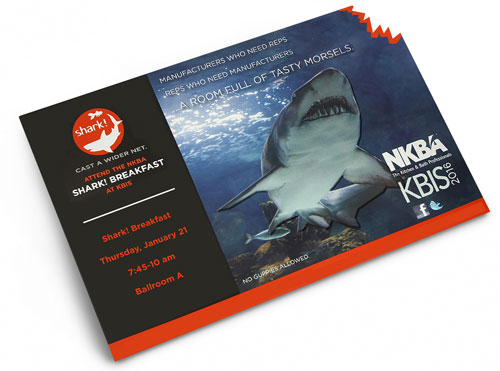
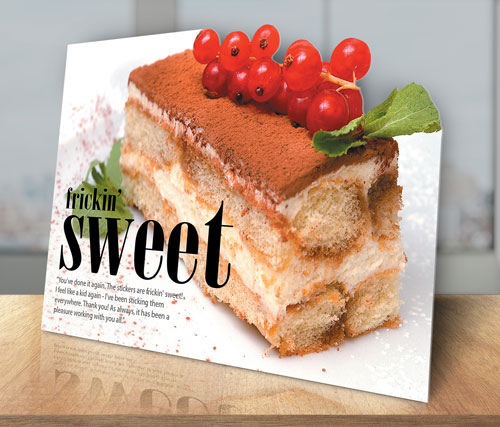
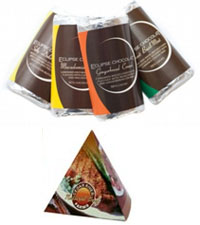
Product Examples that utilize Finger Lift Tape

  • Candy Bar Wrappers
  • Envelopes
  • Table Tents
  • Trade Show Badges
  • Custom Mailers
  • Presentation Folders
  • “Belly Bands” (for stationery packaging)

Fugitive Glue or Tip-On:

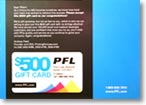
Also known as “booger-glue”, this method is not permanent and allows you to remove the glue without destroying the base printed piece. You can simply peel it off without any residue or stickiness remaining. Gift cards or other promotional pieces are attached without any problem. The glue is strong enough to withstand handling, but is easy to remove with a rub of the finger.

tip on glue use

Product Examples that utilize Fugitive Glue:

  • Magazine Inserts
  • Gift Card Holders
  • Postcards with Credit Cards
  • Greeting Card “Add-ons”
  • Any Plastic Card can be attached to a Base

Creative folds and glue options can be combined to build a highly customized print piece. Printing adhesives can also be used in more standard designs to add a separate offer or bonus message with ease. Freshen up those old marketing materials without the expense of re-design. Simply incorporate a glued on piece and you are back in business.


Still not sure what printing glue is right for your project? No problem. Give a quick call to one of our print experts for a free consultation. They will partner with you in making your next print project a big success.

You can reach us at 800-930-6040.
 
 
This field is for validation purposes and should be left unchanged.

Get 20% Off

Subscribe to our weekly newsletter and get an instant 20% off your first print project.

Name(Required)
RELATED MARKETING & DESIGN TIPS

Using Die Cutting on Brochures

Get unique die cut brochures printed that will cut through the clutter in the mailbox and get your message noticed.

Read More >


Clear Business Cards

Get clear plastic business cards printed with numerous custom options, fast turnaround, free templates, live expert help and award winning service

Read More >


Printing Paper Type Descriptions

Descriptions of types of papers used in commercial full color printing including gloss, uncoated, matte and dull text and cover weight stock and paper

Read More >


Using Die Cutting on Postcards

Using Die Cutting on Postcards

You’ve got a postcard with a clear call to action. It has bold, direct lettering. It’s a postcard, so you know it’s going to get held in your customer’s hand, it will get seen but it’s also only got a few seconds to make a lasting impression.

Try altering the shape of the card. It doesn’t have to be square. A postcard mailer can be any shape and if it’s unique it will cut through the clutter in the mailbox. This is called die-cutting. It works like a cookie cutter – a custom shape is made into a sharp, heavy die. That die is stamped onto your printed piece, cutting it out just like cookie dough.die cut postcard


Die-cuts can come in almost any shape you can imagine – printing technology companies can have a custom die turned around quickly. Fine cuts and highly detailed work are possible – you aren’t stuck with simple rounded edges or basic shapes. Here are some tips to keep in mind when you’re using die-cuts:

  • Make sure the die cut area has enough support so it doesn’t make the postcard dimensionally unstable or easily damaged.
  • Integrate the die cut with printed design elements to enhance visiblity and impact.
  • Conncect the die cut shape to some element of your business or message to increase the branding potential of your postcard.

Here are some creative ways to use a die-cut:

Interactive folds and tabs. Use die cuts to create an interactive fold on your postcard, giving the reader something to interact with as they glance over your message.

Realistic shape. Use a die cut to cut out a realistic version of your product, logo, or something else. Pair it with scented inks. Imagine a postcard for a bakery, die cut to look like a cookie and printed in chocolate-scented ink. Or a postcard for a pizzeria, die cut in a triangle and printed to look like a slice of pepperoni pizza. You’re only limited by your imagination.

Rounded edges for durability. Rounded edges are a simple die-cut to make and they hold up to bangs and dents better than square edges. They will also stand out from the rest of the rectangular mail pieces in the mailbox.

Three dimensional designs. Use a folded postcard with an offer inside the fold, use a die-cut window or other design to peek through to the offer, creating a 3D effect.

die cut postcard example

Die cuts add a strong tactile element to your postcard. Using die-cuts makes your postcard visually interesting and fun to hold, touch, and use. Postcards can almost guarantee they’ll be held and scanned, and if they engaged the reader with more than one sense you’ve got a better chance they’ll remember your message and act.

Ready to get started? Email us, call us at 800-930-6040 or get a price below to get started with your die cut postcard today.
 
Get Pricing for Die-Cut Postcards
This field is for validation purposes and should be left unchanged.

Get 20% Off

Subscribe to our weekly newsletter and get an instant 20% off your first print project.

Name(Required)
RELATED MARKETING & DESIGN TIPS

UV Coating: High Gloss Print Coating Explained

Learn more about the pros and cons of UV coating. UV coating or UV printing can enhance shine, and durability of printed materials when used effectively.

Read More >


Thick Business Cards

Get extra thick 24pt business cards that get you noticed. Guaranteed high quality full color printing with round corners, die cutting and embossing options

Read More >


Paper Belly Bands

A wide variety of paper belly band printing options to enhance the packaging of your product or printed material

Read More >


Print Folding

Print Folding

Folds can be anything from a standard brochure tri-fold to a more complex snake-fold. Folding as part of the design concept offers an affordable way to increase the impact of a printed piece. Print folding is not for brochures alone. Business cards, menus, hang tags, catalogs, and newsletters can all incorporate folds to increase appeal. If you will be designing your own piece, utilize the folding resources on our site and the information below to help you get the best results.


Panel dimensions, paper weight and layout specifications are among several considerations when designing your folded piece. For example, it is a common mistake to lay out a tri-fold brochure as three same sized panels. The panels actually need to be slightly different sizes, which can cause imagery and copy to be off-center when not taken into account. We have many resources to help you understand paper folding and to provide inspiration for folded marketing pieces. Contact one of our friendly print experts for assistance at 800-930-6040.

Brochure Folding:

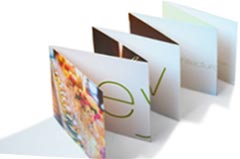
multi fold brochure

Standard folds include tri-fold, half-fold, Z or accordion fold, 4 panel or double parallel fold, quarter fold, gate fold, and half then tri-fold. Printing for Less offers downloadable templates for each of these so that you can design your layout confident that it meets printing and folding guidelines.

We are also able to work with you and your designer on custom folds that require more hands-on attention. Call one of our custom experts at 800-930-6040.

Business Card Folding:

folded die cut business cardsYou may not think of folding when you consider business cards, but perhaps you should. Folding a standard sized business card allows for twice the real estate to communicate important information while keeping it compact, easily fitting into a wallet. A simple half fold is usful and attractive, and a trifold can even act as a mini-brochure.
Card Folding

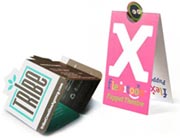
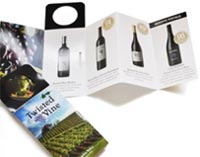
unfolded bottle necker

Postcards, greeting cards, hang tags, bottleneck tags, and direct mail pieces are all candidates for incorporating a fold. Folds are perfect for including more product detail while remaining compact. A “Z” or accordion fold can be used with a die cut to create a commercial piece that reflects well upon your brand and gives customers all of the information they need.

 
Call one of our friendly printing experts now at 800-930-6040 to help you get started with some great fold concepts. High quality printing and folding are a perfect combination for your marketing materials.
 
This field is for validation purposes and should be left unchanged.

Get 20% Off

Subscribe to our weekly newsletter and get an instant 20% off your first print project.

Name(Required)
RELATED MARKETING & DESIGN TIPS

Printing Options

Learn about using full color commercial printing options to market your business

Read More >


What is Embossing or Debossing?

What is embossing and debossing? It’s smooshing paper, but it’s really cool. Find out more about how to effectively use this advanced printing technique.

Read More >


Foil Business Cards

Add sleek eye catching flair to your business card! Custom foil accenting elevates your business card design to a whole new level. Learn more.

Read More >


Using Embossing on Postcards

Using Embossing on Postcards

You’ve probably seen embossing on greeting cards and wedding invitations. Postcard embossing has been around since the turn of the 20th century, when people would paste their own images onto generic embossed cards and send them to friends.


What is Embossing?

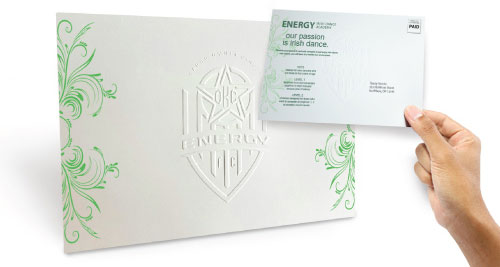
Embossing uses heat and a pair of etched metal dies to raise a design above the surface of a sheet of paper. The bas relief (or male) die pushes the image up, while the mold-shaped (or female) die presses on the paper from above. The result is a raised, embossed image on one side, and an indented, or debossed, image on the other.

Embossing gives postcards an appealing dimensional effect, both tactile and visual. It can be used for letters, logos, graphics, borders or other design elements that you want to stand out.

embossed postcard example

Because they have a raised pattern that’s visible from both front and back, embossed postcards create some special design considerations.

  • Choose a cardstock and an image that are well-suited to embossing – and to each other. Certain card stocks produce better embossing than others, so consult with your printing company. The same is true of images. An image with a lot of fine detail may not be a good candidate for embossing.
  • The type of stock you use will affect how the embossing looks. Softer, thicker card stocks will produce greater detail in the embossing while others will create a deeper image.
  • Embossing is more visible on paper stocks with a lower brightness.
  • Don’t plan any embossing in the areas where the address and postage will be. Addresses must be easy to read.
  • Avoid printed text in the embossed areas.
  • Use the embossed pattern as a design element on both sides
  • Remember that embossed text will appear backward on the postcard’s reverse side.

When embossing is used alone it is known as blind embossing. It can also be paired with ink or colored metal foil (using a combination embossing and foil stamping die) to make the embossed design really “pop.”

As an alternative to a raised image, some design elements might work best as an indented image, which is known as debossing. In this case the male and female dies are reversed.

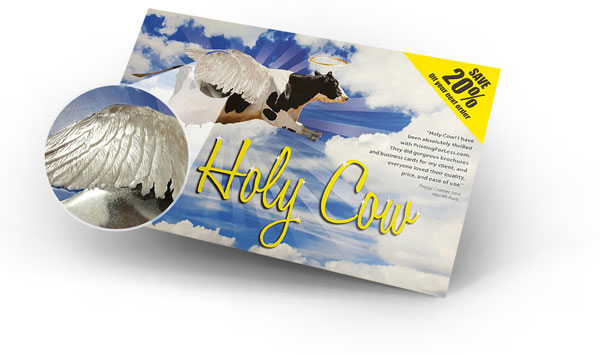
embossed postcard magnified

Using Embossed Postcards

An embossed postcard is a great way to attract attention to a product, service or event. When paired with colored inks or foil stamping, embossing opens up a whole range of design possibilities – from understated and traditional to colorful and edgy.

Embossing can help you convey a particular message, promote your brand, and encourage people to act.

  • Embossing makes an invitation to a sale, seminar or event feel special. Embossed invitations are common for special occasions like weddings and galas. By embossing your postcards, you suggest that your event is special as well.
  • Embossing suggests that something is official, certified or guaranteed. Blind embossing is used for official government seals, and we’ve all heard of a “seal of approval.” Embossing on a postcard can imply quality and credibility.
  • Embossing is a good way to promote upscale products and services. An embossed postcard feels (and is) more expensive than a standard one, and it sends a strong message about the luxury qualities of a product or service.
  • Embossing gives postcards a texture that stands out. With its raised design, an embossed postcard feels different than a plain one. An embossed postcard instantly stands out from the rest of the mail, increasing the chance that the recipient will read the card and act on it.

Embossing can turn a postcard from ordinary to exceptional. We carry a wide range of custom stocks, ink colors and foils to give your embossed postcards a unique, custom look.

Need technical or creative advice on your embossed postcard project?
Give our helpful experts a call at 800-930-6040.
This field is for validation purposes and should be left unchanged.

Get 20% Off

Subscribe to our weekly newsletter and get an instant 20% off your first print project.

Name(Required)
RELATED MARKETING & DESIGN TIPS

Choosing a Printing Service for Your Project

Printing services types explained. Help with choosing the right printing service for your commercial printing needs

Read More >


The Art of Business Card Marketing

Your business card is one of the best advertising tools you have – Five Steps for Business Card Marketing Success.

Read More >


Green Printing Recycled Paper

Eco-friendly choices for sustainable printing on recycled paper. Discover sustainable printing options for your projects with Printing for Less! Learn more.

Read More >


How Custom Printing can Turbo-charge your Business

How Custom Printing can Turbo-charge your Business

  • How do you use custom printing in your business?
  • How can it set you apart from your competitors?
  • What are some ways you can use custom printing for your own marketing pieces?
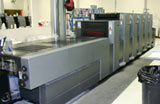
Offset Printing Press
Heidelberg Offset Printing Press

Custom printing is anything that is out of the ordinary, unique or distinctive, and when used to market your business, it can be the one thing that stops a customer for that crucial moment, and gets them to look at YOU.

Some of the ways you can use custom printing to make your collateral stand out are very straightforward. Many times, a change in paper stock, adding foil to your logo or using a Pantone ink adds a level of distinction that your marketing collateral needs.


Some other great examples of printing customization are:

Die Cutting
Embossing
Foil Stamping
Perforating
Custom Papers
100% Recycled Paper
Round Corners
Custom Folds
Pantone Inks
Metallic Inks
Spot Varnish
Spiral binding
 
See visual samples of some of these special printing options

foil stamped folderAdditionally, creative use of finishing techniques can make a ho-hum presentation folder have depth and an almost three-dimensional appearance with a striking emboss of your company’s logo, or an interesting die cut can transform your postcard into the shape of a computer, a dollar sign or even a palm tree. You are only limited by your imagination and budget.

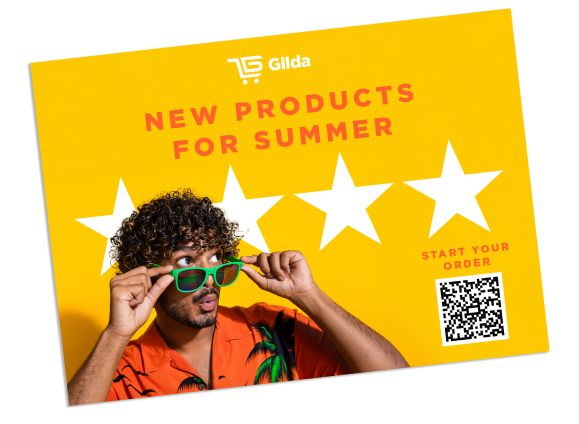
Remember, you are looking to gain attention and create interest through custom print, but still maintain your design intent. Out of the ordinary paper or shiny metallic inks may make your brochures or rack cards look appealing, but if they are counter to your message and campaign, don’t feel compelled to use them. Try this–the next time you are out at a tradeshow or come across a service and product rack, examine the business cards, the flyers and brochures. What are you drawn to? What “jumps out” at you? Make mental notes, and see if you can incorporate anything into your own design or plan.

One of the biggest benefits of custom printing, in addition to the aesthetic side, is it is a surefire way to differentiate you from your competitors. Everyone is drawn to the unique, the eye-catching, and the different. And when you get that future prospect to stop, look and read what you have to offer, you are half way to getting that sale.

To get started ramping up your business marketing, click to Custom Printing Products and Options. One of our highly trained print consultants will answer all your questions.

This field is for validation purposes and should be left unchanged.

Get 20% Off

Subscribe to our weekly newsletter and get an instant 20% off your first print project.

Name(Required)
RELATED MARKETING & DESIGN TIPS

Image Resolution for Printing

There’s nothing more disappointing than ordering printed work only for it to come out blurry. Learn how to maximize image resolution for quality prints.

Read More >


UV Coating: High Gloss Print Coating Explained

Learn more about the pros and cons of UV coating. UV coating or UV printing can enhance shine, and durability of printed materials when used effectively.

Read More >


Premium Paper

Premium paper is sometimes referred to as designer paper, fancy paper, or specialty paper. Regardless of what you call these quality papers, Printing for Less is ready to help you decide which paper best suits your personal printing project.

Read More >


  • « Go to Previous Page
  • Page 1
  • Interim pages omitted …
  • Page 3
  • Page 4
  • Page 5
  • Page 6
  • Page 7
  • Page 8
  • Go to Next Page »

Footer

Printing for Less

info@printingforless.com
100 P F L Way, Livingston, MT 59047

800-930-2423

  • Home
  • Products
  • Services
  • Industries
  • Get Printing Samples
  • Direct Mail Marketing Resource Center
  • Printing Resource Center
  • Blogs
  • Templates
  • Terms & Conditions
  • Contact
  • About Printing for Less
  • Careers
  • Login

Copyright © 1998-2026 PrintingforLess.com. All Rights Reserved.

logo
  • 800-930-2423
  • Products
  • Direct Mail Marketing
  • Services
  • Industries
  • Direct Mail Marketing Resources
  • Printing & Mailing Resources
  • Get a Quote
  • Contact Us
  • My Login
Postcard Printing & Mailing
This field is for validation purposes and should be left unchanged.

Get 20% Off

Subscribe to our weekly newsletter and get an instant 20% off your first print project.

Name(Required)

*Some exclusions apply. See details