• Skip to primary navigation
  • Skip to main content
  • Skip to footer
Printing for Less

Printing for Less

At Printing for Less, we've offered high quality online printing services since 1996. Shop business cards, booklets, stickers, and more!

My LoginMy Login
800-930-2423
  • Printing
    • Postcards
    • Business Cards
    • Catalogs
    • Brochures
    • Folders
    • Letters
    • Newsletters
    • Envelopes
    • Greeting Cards
    • Print Templates
    • All Products
  • Direct Mail
    • Why Direct Mail Marketing?
    • Every Door Direct Mail® Postcards
    • Direct Mail Letters
    • Catalogs & Booklets
    • Marketing Gifts & Kits
    • Direct Mail Automation
  • Services
    • Mailing Services
    • Pro Services
    • Design Services
    • Custom Printing Services
    • Reseller Program
  • Industries
    • Advertising & Design
    • Food & Beverage
    • Healthcare Payers
    • Healthcare Providers
    • Nonprofit
    • Real Estate
    • Retail
    • Technology
    • University
  • Resources
    • Direct Mail Marketing
      Resource Center
    • Printing Resource Center
    • Blogs
    • Templates
    • Video Library
    • Have a Question?
  • Request Samples
  • Get a Quote

Blog

It’s a Date: How Calendars Help Customers Connect with Your Brand.


Evernote, Trello, Asana, Wunderlist. There are lots of tech options out there for scheduling and keeping track of your day. And many of them are great tools. But no matter how many fancy online options come out each year, people will always revert back to the ever trusted pen and paper.

It’s why no matter how many apps we download, we’ll still hang a calendar on the office wall. Because there’s nothing like looking at your day in real-time and scratching off your accomplishments with gusto.

Calendars offer the perfect opportunity to involve your brand in your customers’ daily routine. When you create a calendar worthy of hanging on the office wall, you turn your brand into an integral part of your customer’s day.

So, how do you produce a calendar that customers won’t chuck into the trash? The answer lies in presentation, friends.

  1. Leave off anything too “salesy.”
better call saul

-This isn’t the time to sell, that’s what brochures and postcards are for. This is the time for brand recognition. It’s about exposing the recipient to your company and building relationships.


  1. Make the images relevant (or you’ll confuse the heck out of everybody).

Target-Lady-confused

-The images you include should be relevant to the customer. Consider making them something the customer identifies with and would want to display as a representation of themselves.


Good image ideas:

-local sports teams

-scenic photographs of the area

-inspirational phrases or sayings to supercharge their day

-activities that you know your customers enjoy


Image ideas to avoid at all costs:

-All those pictures you find hilarious from last year’s Christmas party

-Anything that looks like you got it off a stock photography site

-Your strange hobby no one can relate to (Seriously, we don’t need a 12 month reminder of how much you love competitive dog grooming)


  1. Don’t use images that look like they were taken off your Instagram.

fimmy fallon selfie

-If it’s something you want customers to showcase, make it worth showing. Use high quality images, and consider adding custom printing effects like foil stamping, die cutting or embossing.


Building brand awareness is a huge part of staying engaged and relevant with customers. A calendar won’t be the piece you send to convert a prospect into a customer. But it can be the piece that keeps your brand top of mind and makes prospects and customers feel appreciated. This sort of touch point, combined with great customer service and a great product or service, keeps customers connected with you and knocking on your company’s door.


Visit our site to learn more about how Printing for Less can create the perfect calendar for your business needs.

Need help with your print? Talk to a live print expert today: 800-930-7978.
6 Ways to Sell with Storytelling

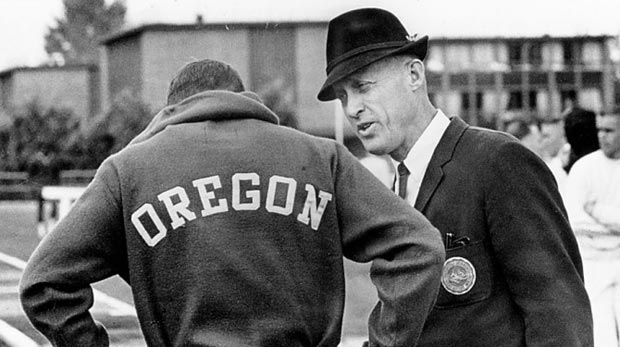
In the early 1960’s, a track and field coach out of Oregon had a ritual he lived by. At the start of every season, he could be found in the locker room, wrapping a measuring tape around the feet of every runner, jotting down measurements on a pad of paper. He believed that if he could remove one ounce from a shoe, based on the gate of a decent runner, he could shave a total of 55 pounds off an athlete’s stride over the course of a mile.

That coach’s name was Bill Bowerman. He would go on to train 51 All-Americans and 31 U.S. Olympians. He also started a company called Nike. Maybe you’ve heard of it.

Bill Bowerman, Oregon track and field coach


Ever since Bowerman was cooking rubber soles on his wife’s waffle maker, the concept of Nike was fueled by one thing-belief. Why Bill Bowerman did what he did meant more to him than how or what he did it with. If he could have made his runners faster by altering their track uniform or creating a sunscreen that made them more aerodynamic, he would have done that instead. That’s because what Bill Bowerman cared most about was why he made shoes for his athletes. He believed in being the best, and that the difference in first or second place was always an ounce away.

To this day, Nike refers to senior executives as “corporate storytellers.” What Nike understands better than almost anyone is that their stories should never be about business plans, statistics or financial factors. They are about beliefs, values and the human experience. More importantly, Nike understands that stories sell.


Stories that sell.

When I first heard Simon Sinek’s “Start with Why,” it forever changed not just the way I communicated as a marketer, but the way I communicated within the world, too.

I had always believed in the power of stories. How they connect people across the world more than any other medium, and that we as a people had known their value since our ancestors began smearing berries across cave walls on an island in Indonesia.

So why don’t more companies apply stories to the way they market? As we take a look at the power of storytelling and the reactions it garners, you’ll be scratching your head as to why stories aren’t strewn through every campaign you’ve created.


“People don’t buy what you do, they buy why you do it.”

There is a reason that only a few names are universally recognizable out of the millions of businesses in the world. For example, Apple, Nike, Coca-Cola, Red Bull, or Toms are all companies that are instantly identifiable in a way that provokes a specific feeling. That feeling is a result of marketing through storytelling, and starting with the why.

It’s often said in marketing that people don’t buy because they need something, they buy to be a part of something. There is a right and a wrong way to tap into this theory, and frankly…


Most companies are doing it wrong.

When it comes to selling, most companies start with what they sell, then move on to explain how they sell it, and lastly will tell you why they sell it (if they even know why). This is why most companies inspire nothing more than a low value purchase. However, if you were to look at a company that turns the process inside out and starts with the why, you’ll find companies whose brands have become movements, and whose products equate to a way of life.

But what about these stories provokes adoption, and more importantly, provokes adopters to become lifetime brand advocates?


Crafting the perfect story.

Stories work because people are interested in themselves more than anything else. It’s why your name is your favorite word. When companies market through stories, they put the spotlight on the user or customer, instead of themselves. Let’s take a look at how to craft a great marketing story.


1. Remember your customer.

wesley-bowing


-There’s nothing worse than being stuck at a party with the guy who wants to tell you about every coloring contest his kid has ever won. Don’t be that guy. Remember that while you’re telling a story, you’re still talking about the customer. This is true in every instance, even when writing your “About Us” page. If you’re not relating every statement back to your customer, you’re losing their interest.


2. Your pencil should outlast your eraser.

delete


-“If I had more time, I would have written a shorter letter.” This quote has been attributed to a lot of men in history, all of them brilliant. Make sure your story has a concise focus with a clear beginning, middle and end. Great storytelling is really about great editing, and knowing when to kill your darlings.


3. Make it relatable.

related tyler


-Your story is useless if not relatable. Jeffery Zacks discovered this through a series of MRI brain scans on people reading a story or watching a movie. As the main characters encountered a situation, it activated parts of the subjects’ brain that would have responded had they themselves been in the same predicament in real life. The takeaway? Your stories need to include the emotions you want your readers to feel.


4. Leave the sales pitch at the door.

sales pitch


-Better yet, don’t even take it out of the car. Leave it in the backseat with the doors locked. Stories are about building trust, and nothing turns prospects and even current customers away faster than a sales pitch. Leave the gimmicks out and let the story sell for you.


5. Believe it to achieve it.

believe it


-If you don’t believe your own story, no one else will. To write a great story, you have to start with the why, which means you have to know what the why is. Apple does this better than anyone. As Simon Sinek explains in “Start with Why,” if Apple wanted to be a mediocre computer company, they would have sold like this:

“We make great computers.” (what)

“They’re beautifully designed, easy to use, and user friendly. (how)

“Wanna buy one?”

Not really. Nothing about that pitch is inspiring, and it doesn’t connect with any sort of belief system. Now, let’s look at how Apple actually sells their products. It looks like this:

“With everything we do, we believe in challenging the status quo; we believe in thinking differently.” (Why)

“The way we challenge the status quo is by making our products beautifully designed, simple to use, and user friendly.” (How)

“We just happen to make great computers, wanna buy one?” (What)

Knowing what you believe allows you to always start with why. Because, “people don’t buy what you do, they buy why you do it.”


6. Take it One Step Further with Storydoing

storydoer


To tell a truly great story, you have to be more than a storytelling company, you have to be a storydoing company. With this approach, customer stories don’t just appear out of thin air. Rather, they are the result of a company that is fulfilling its brand promises.

Bonus: Not only will this inspire customers, but internal employees as well.


If You’re Reading This

You have a story. If you think that storytelling may work, but doesn’t apply to your business, you are gravely mistaken. Just as there is a reason why you started your company, there is a story waiting to be told. From B2B to B2C, people are biologically driven to participate in stories they believe in. The question to ask yourself is, what will your story be?

Need help with your print? Talk to a live print expert today: 800-930-7978.

Earth Day: Sustainable Forestry Myths Debunked

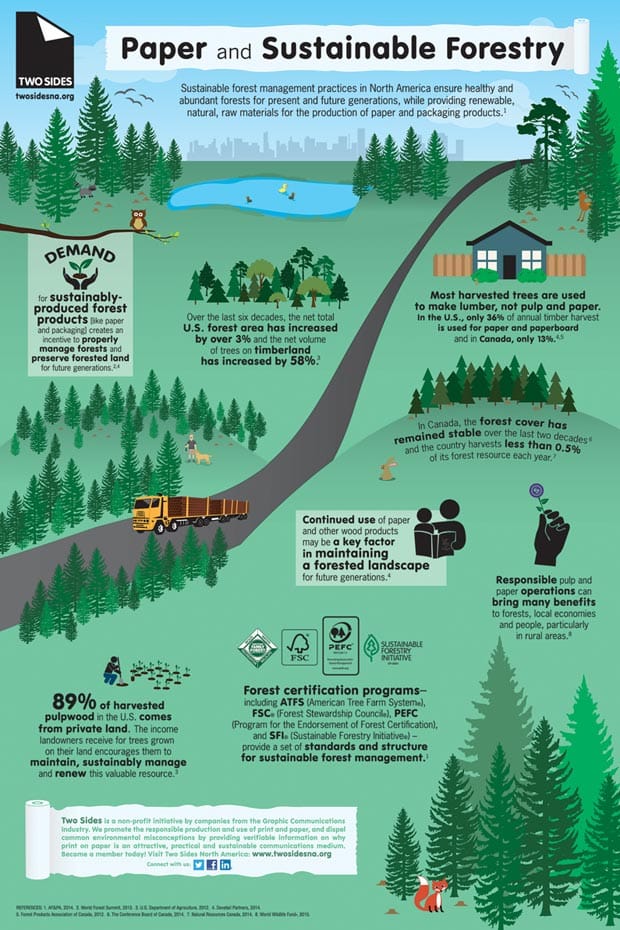
At Printing for Less, we’ve always considered ourselves close to nature, and by that we aren’t referring to the fact that we could throw a rock out our back door and hit a mountain range. As fans of Earth Day, we thought we’d celebrate by sharing a rather excellent infographic produced by Two Sides on sustainable forestry and the myths surrounding it.

The image addresses a lot of issues that, for many, are shrouded with confusion or outdated information. We love that Two Sides is shedding some light on the responsible, progressive habits of sustainable forestry.

TwoSidesEco2(1)

We couldn’t be more grateful to celebrate Earth Day in one of the most pristine environments America has to offer-and we aim to keep it that way. We’re doing more than just trying to reduce our impact on nature. From our green printing to our wind powered facility, we’re striving to have an exponentially positive effect, too.

Happy Earth Day, friends.

Need help with your print? Talk to a live print expert today: 800-930-7978.

Create a Killer Business Card That Won’t Get Tossed

Your business card is a mini billboard that fits into your prospective customer’s hand. Creating a business card that stands out from the rest isn’t difficult, it just takes some creativity. Read through our checklist to make sure your business card commands the attention it deserves. You have approximately 3 seconds to make a lasting impression, so make it count!

Take this fact as irrefutable proof that crafting a unique card with personality matters more now than ever. 

88percentstat


Keep it Clean

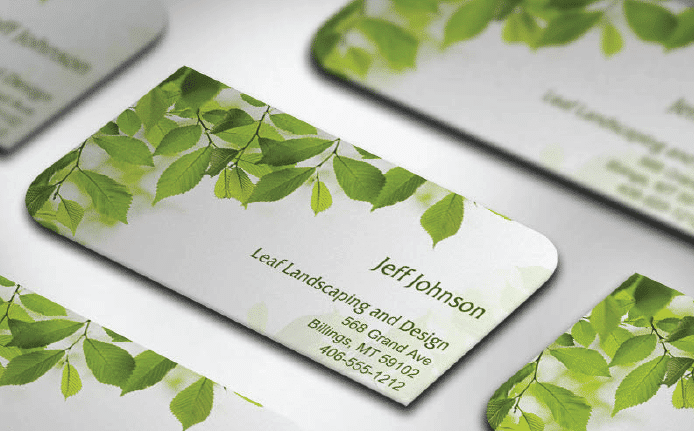
The right design is very important for differentiating your business card. Choosing a typeface that is easy to read and professional looking will go a long way with your customers. By limiting the number of different fonts you choose, your mini billboard will look clean and concise. If your business card needs a logo, make sure the color is consistent across all mediums.

Choosing an image or style that showcases your businesses personality and value is crucial. Make sure images scale to the size of a business card without losing fidelity. Pick an image that works with the text and doesn’t overpower the card or your message. We always suggest choosing an image that represents your people, product or place of work. Avoid stock photography when possible, because customers are quick to pick up cheesy, inauthentic imagery.

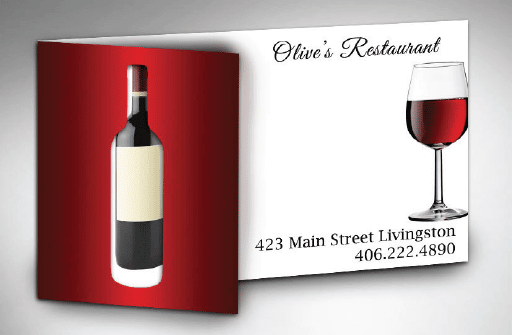
folded

Who Are You?

The next checkpoint for a trash proof card is the right content. Having your name, title, phone, address, and email are all essential pieces of a killer business card. Avoid too much text on your card by embracing negative space. Don’t overwhelm your card, because you will overwhelm your customer.

clean

Add Tactile Appeal

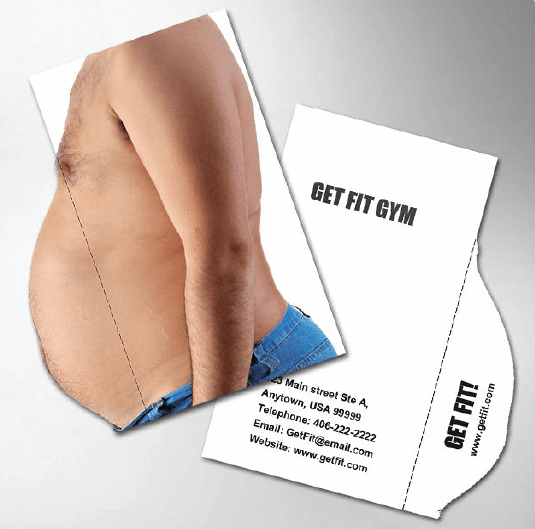
Making a business card pop can be done by adding tactile stimulus. Options range from various paper stocks and weights to plastic or even magnetic substrates. If your product or service is nontraditional, emulate that personality through a die cut or folded business card. Give your customer the ability to interact with the entire piece to boost engagement. Another option for making your business card stand out is embossing or foil stamping. These unique, yet budget friendly customization options create a card that begs for interaction.

If you want to reach tactile stimulus overload (in a good way), consider a specialty coating. Soft touch coating gives your business card a luxurious feel. Spot UV coating can add a unique shine and texture to a specific part of your card or the whole thing.

perf


Trash-proof your cards with these tips and always know that we are here to help. From recommending unique ideas to selecting papers and finishes, our teams understand business cards. We also have a team of designers that will take the hassle out of creating an amazing business card. Give us a call to get started 800-930-7978.

Looking Beyond the Printed Piece

What is your goal?

It goes hand-in-hand with ‘motive’ and ‘purpose.’ It is an all-encompassing mindset that looks beyond a single printed piece and engages the outcome of an entire business as well. While the content of a printed piece is important, the impression it leaves with the consumer has a far greater impact.

Capture2

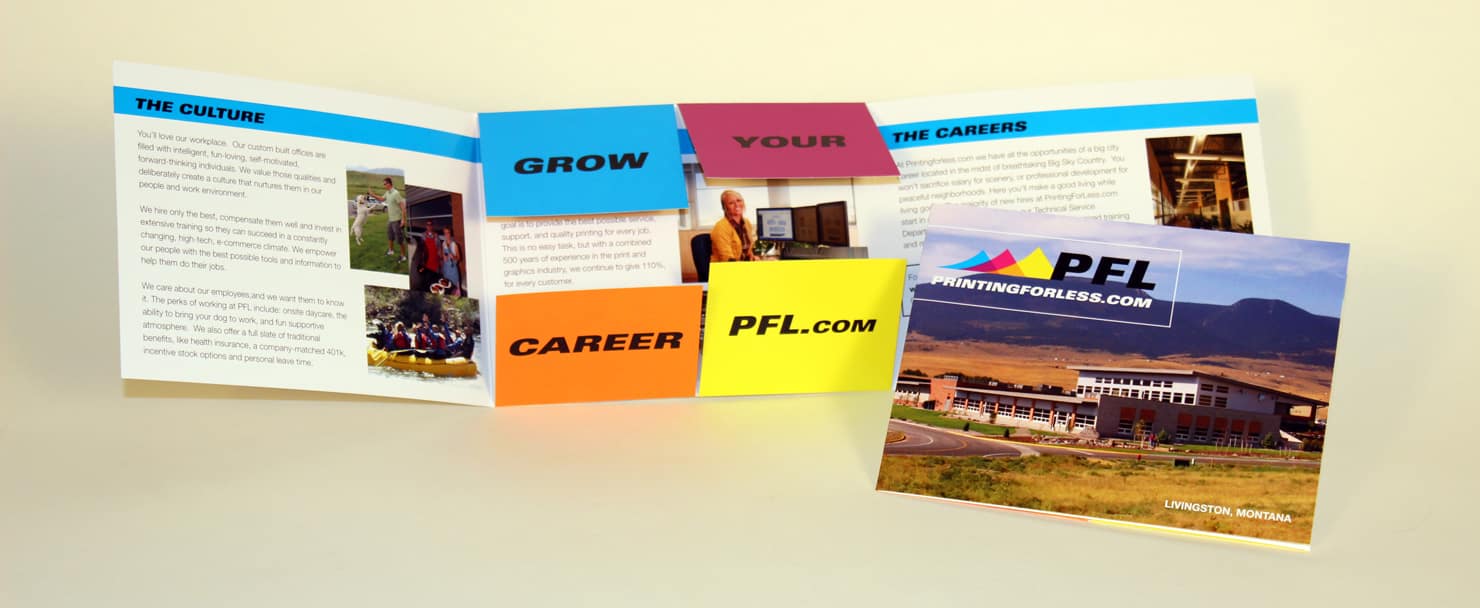
blog_modified-iron-cross If your piece is mostly informational, you may consider a brochure. A creative fold, such as the popular ‘cross fold,’ encourages exploration of the piece, such as in PrintingForLess.com’s HR recruitment piece. On the other hand saddle stitching or perfect binding can encourage a customer to walk through the piece in a more orderly manner.

Capture2

As much as we don’t like to admit it, we as humans develop impressions, values and sometimes stereotypes based on a first glance at almost any situation. That’s why the choice of the format for your printed piece is so meaningful: it directly affects how the customer sees the product in the long-term.

Capture2

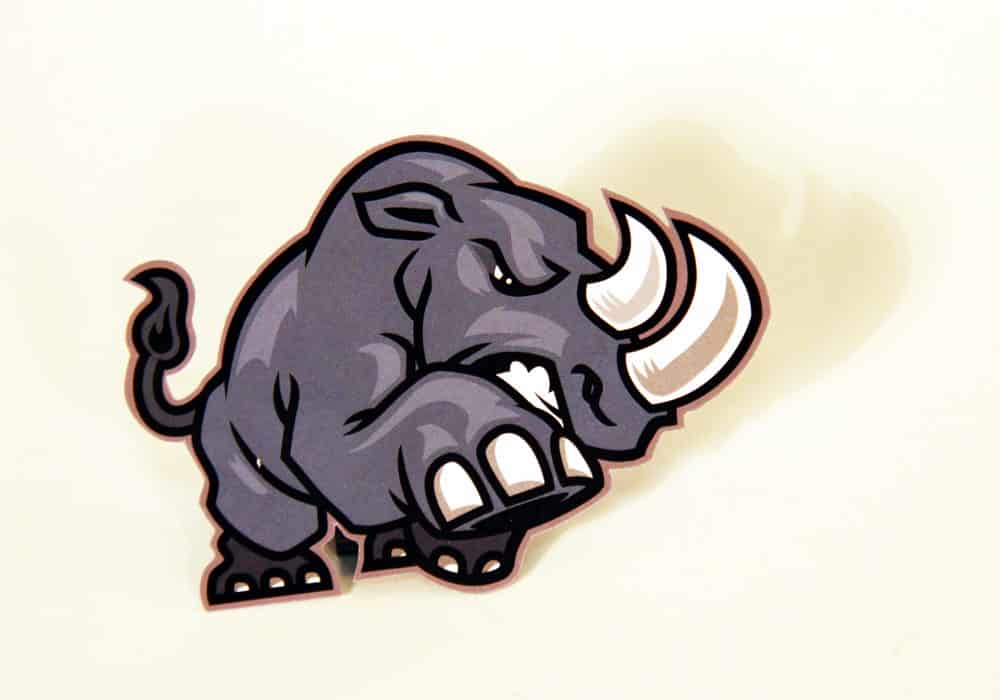
diecut  This charging rhinoceros, die-cut and UV-coated, is the logo for Shirt Rhino, an online T-shirt company for custom screen-printing. The powerful design of this business card is sure to lead with a roar.

guitar_pick

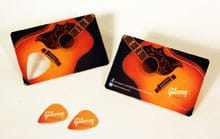
You also might try to leave something useful with the customer, such as in Gibsun’s plastic-coated business card with a die-cut guitar pick built into the card itself.

Capture2

When deciding on a format, consider your overall goals: Why do you operate your business the way you do, and how can you best communicate this to the customer? What specifics are you highlighting? Use your business essentials to drive your detail choices—not the other way around.

Capture2

Chair_Bcard3

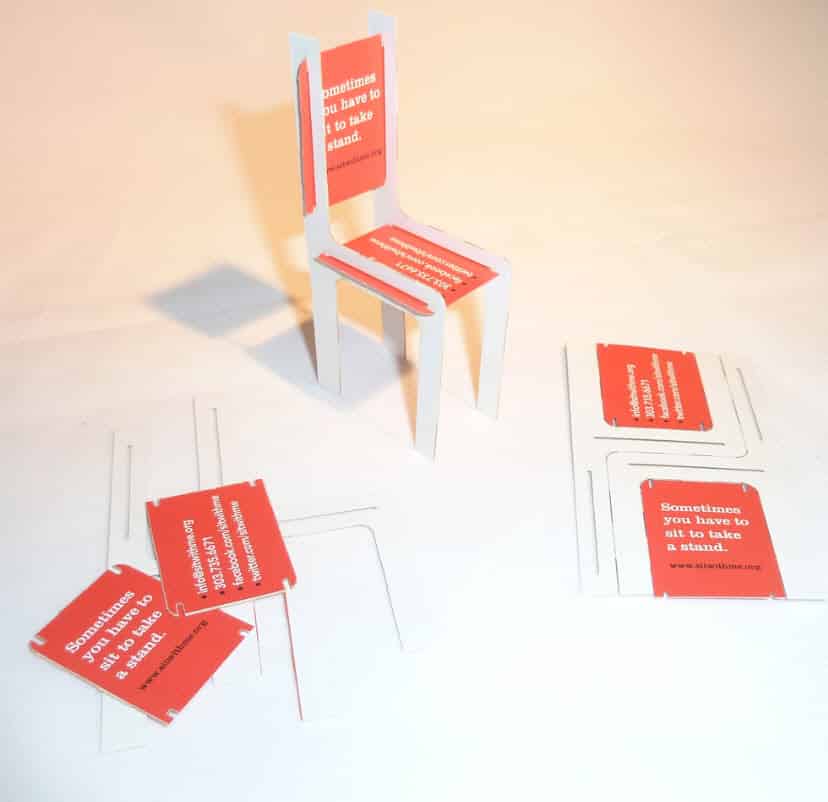
The not-for-profit coalition National Center for Women & Information Technology wanted to cement their idea of ‘The Red Chair’ in consumer’s minds: for NCWIT, this symbol promotes their slogan, ‘Sometimes you have to sit to take a stand.’ They created a business card with four die-cut pieces that could be punched out and assembled into the Red Chair itself: and still maintains its business-card purposes, with NCWIT information (and instructions for assembly) printed on all available faces.

Capture2

There are a variety of options for format when it comes to printed material: business card, folder, newsletter, etc. These are fairly standard choices. But you may need to unleash your creative when it comes to details such as size, design and special effects.

Capture2

WhiteIce The highly contrasting colors on this White Ice postcard draw the eye to the few white spaces left on the card—namely, the brightness of the woman’s teeth, for which the postcard is advertising. The offer and contact information for the tooth whitener are contained on the back of the card. The simple design of a postcard may be just the thing you need to quickly catch your customer’s eye.

Capture2

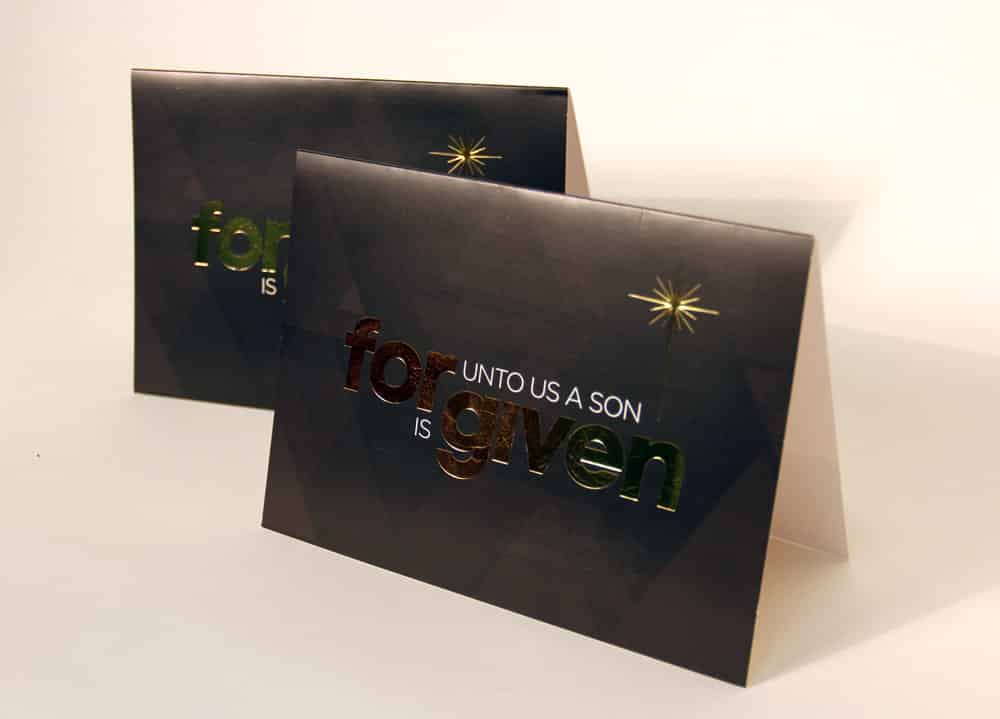
Greeting cards are an excellent way to relate to customers on a personal level while stil foil l maintaining somewhat of a business mindset. KLOVE radio station made these cards with foil-stamping on a plain black front to highlight on two words, which, when combined, form their main message. The visual contrast between the black and gold again underscores their key phrase.

stationery1

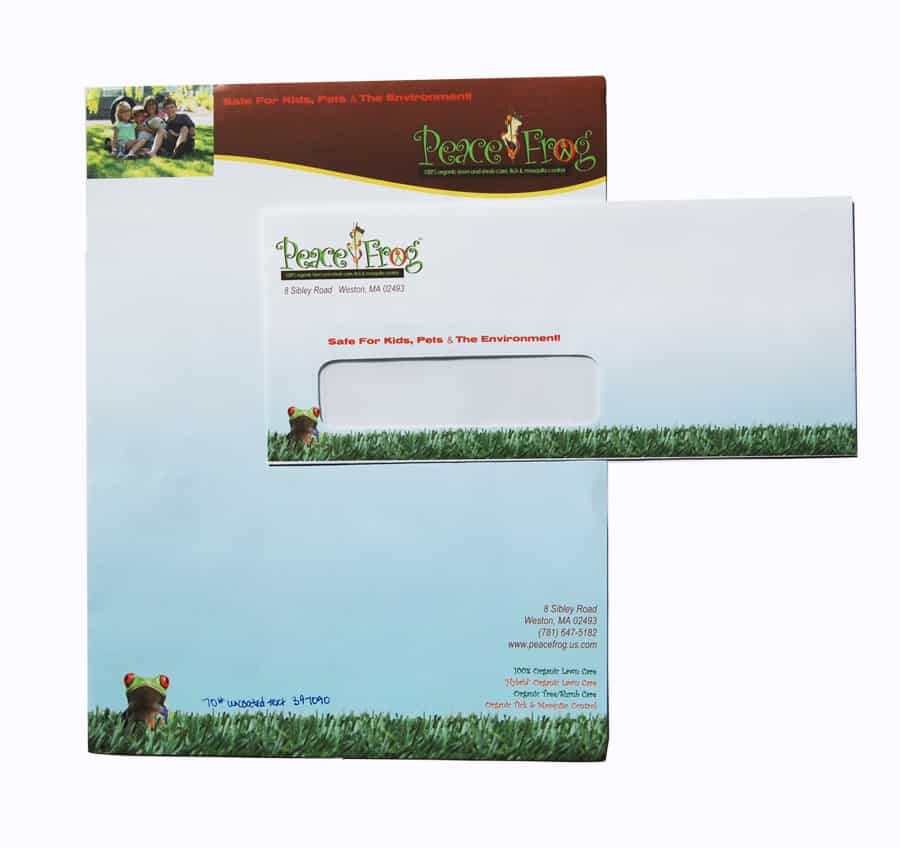
Like greeting cards, stationery can address formal issues while keeping your company’s name and logo in plain view. Matching envelopes are always an impressive touch.

Need help with your print? Talk to a live print expert today: 800-930-7978.
Consider Your Options when Binding Multiple Pages

Are you in a bind trying to decide how best to present multiple pages of information?

This is your guide to organizing your ideas in a presentable way; namely, through any one of the four main types of binding. These four categories range in cost-effectiveness and professionalism. Once you have a goal for your piece in the crosshairs, you will know where your piece falls on the grid.

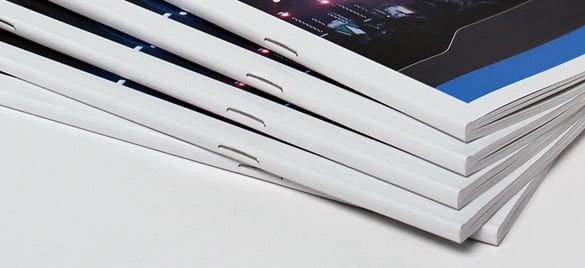
Saddle stitching is the most cost-effective option when it comes to binding your piece. This is the type of binding that you often see in calendars and brochures: usually two or three staples along the spine, halfway through the sheets. The staples will show through on the opposite side, but for many pieces this does not pose an issue. Saddle stitching gives a casual feel while still presenting your information in a well-organized manner.

SquareBackBindingSamples


Square-back binding, shown above, is a cross between saddle stitching and perfect binding, which we will cover later. Square-back is similar to saddle stitching in the way it is produced, and only slightly more expensive: the pages are still stapled on a saddle, but then pressed until the piece resembles perfect binding, with the addition of a few staples showing along the outside of the spine. Square-back binding is slightly more professional than saddle stitching, but still maintains the value pricing. This type of binding works well for short children’s books and short-run magazines.

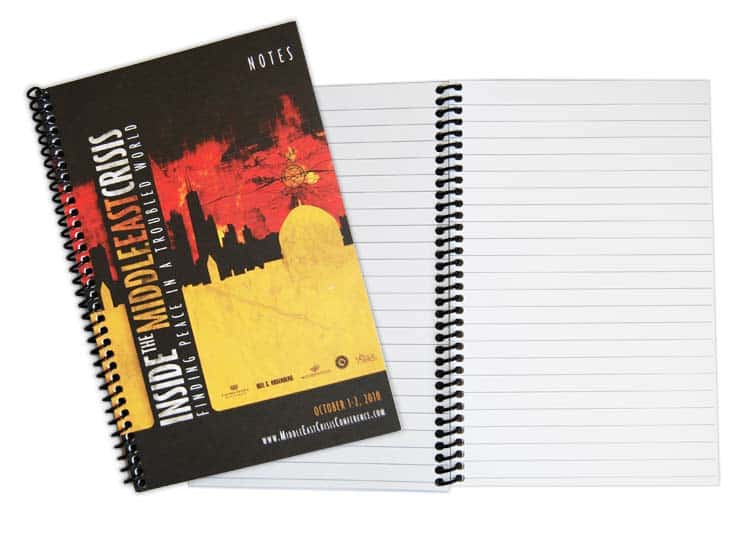
Plastic coil and wire spiral binding are similar in price, but have varying appeals. Both are durable, and can open 360 degrees. On the aesthetic scale these types of binding lean more toward the side of the casual brochure or booklet for a meeting or conference. Using wire binding gives your piece a slightly more finished look than plastic. However, plastic coil can be purchased in a variety of colors to further compliment your brand consistency. coilboundbooklets2

Perfect binding grants the best value, and is ideal for pieces with a larger page count. Although square-back binding might work for shorter volumes, perfect binding can be used for anything with 40 sheets or more, and provides the finest finished look for many pieces. Perfect binding uses a durable, strong adhesive inside the spine to hold your pages together, and is ideal for many larger magazines, books, manuals and catalogs.

When it comes to binding, price often dictates choice. Binding is an afterthought in most printed pieces, and its value is not considered at the forefront. You may have the perfect design for your pages, but binding is necessary to complete your multi-page project.

Keep an eye on the piece as a whole when first considering your target price during the design phase—don’t get to the last phase and leave yourself in a bind about the bind. Hold it together with a choice that supports the quality and goal of the rest of the piece.

Need help with your print? Talk to a live print expert today: 800-930-7978.
  • « Go to Previous Page
  • Page 1
  • Interim pages omitted …
  • Page 30
  • Page 31
  • Page 32
  • Page 33
  • Page 34
  • Interim pages omitted …
  • Page 48
  • Go to Next Page »

Footer

Printing for Less

info@printingforless.com
100 P F L Way, Livingston, MT 59047

800-930-2423

  • Home
  • Products
  • Services
  • Industries
  • Get Printing Samples
  • Direct Mail Marketing Resource Center
  • Printing Resource Center
  • Blogs
  • Templates
  • Terms & Conditions
  • Contact
  • About Printing for Less
  • Careers
  • Login

Copyright © 1998-2026 PrintingforLess.com. All Rights Reserved.

logo
  • 800-930-2423
  • Products
  • Direct Mail Marketing
  • Services
  • Industries
  • Direct Mail Marketing Resources
  • Printing & Mailing Resources
  • Get a Quote
  • Contact Us
  • My Login
Direct Mail Delivery
This field is for validation purposes and should be left unchanged.

Get 20% Off*

Your First Print Order

Name(Required)

*By subscribing, you agree to receive weekly emails from Printing for Less. Some exclusions apply. See details.