• Skip to primary navigation
  • Skip to main content
  • Skip to footer
Printing for Less

Printing for Less

At Printing for Less, we've offered high quality online printing services since 1996. Shop business cards, booklets, stickers, and more!

My LoginMy Login
800-930-2423
  • Printing
    • Postcards
    • Business Cards
    • Catalogs
    • Brochures
    • Folders
    • Letters
    • Newsletters
    • Envelopes
    • Greeting Cards
    • Print Templates
    • All Products
  • Direct Mail
    • Why Direct Mail Marketing?
    • Every Door Direct Mail® Postcards
    • Direct Mail Letters
    • Catalogs & Booklets
    • Marketing Gifts & Kits
    • Direct Mail Automation
  • Services
    • Mailing Services
    • Pro Services
    • Design Services
    • Custom Printing Services
    • Reseller Program
  • Industries
    • Advertising & Design
    • Food & Beverage
    • Healthcare Payers
    • Healthcare Providers
    • Nonprofit
    • Real Estate
    • Retail
    • Technology
    • University
  • Resources
    • Direct Mail Marketing
      Resource Center
    • Printing Resource Center
    • Blogs
    • Templates
    • Video Library
    • Have a Question?
  • Request Samples
  • Get a Quote

Blog

Earth Day: Sustainable Forestry Myths Debunked

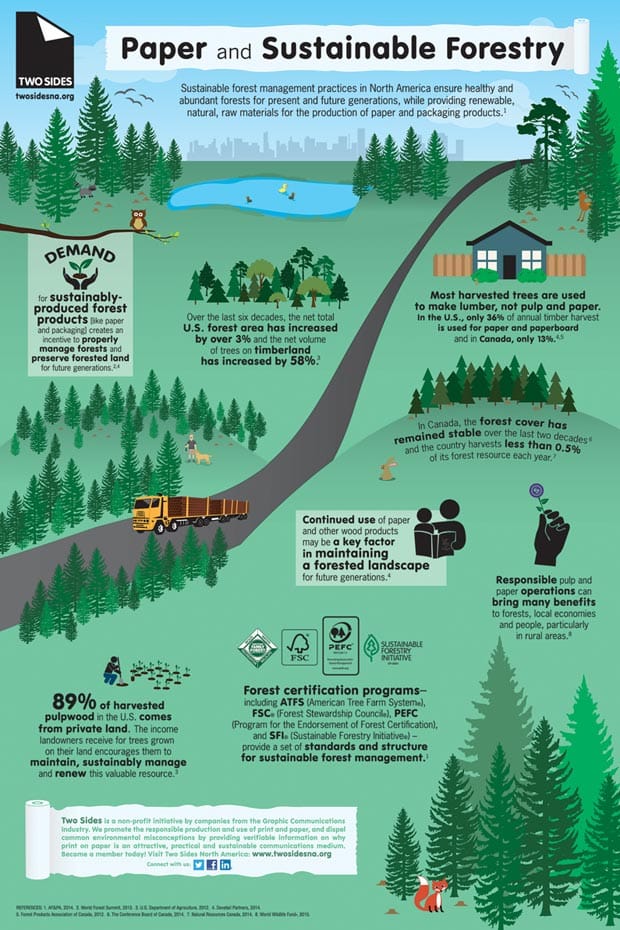
At Printing for Less, we’ve always considered ourselves close to nature, and by that we aren’t referring to the fact that we could throw a rock out our back door and hit a mountain range. As fans of Earth Day, we thought we’d celebrate by sharing a rather excellent infographic produced by Two Sides on sustainable forestry and the myths surrounding it.

The image addresses a lot of issues that, for many, are shrouded with confusion or outdated information. We love that Two Sides is shedding some light on the responsible, progressive habits of sustainable forestry.
TwoSidesEco2(1)

We couldn’t be more grateful to celebrate Earth Day in one of the most pristine environments America has to offer-and we aim to keep it that way. We’re doing more than just trying to reduce our impact on nature. From our green printing to our wind powered facility, we’re striving to have an exponentially positive effect, too.

Happy Earth Day, friends.

Need help with your print? Talk to a live print expert today: 800-930-7978.

Create a Killer Business Card That Won’t Get Tossed

Your business card is a mini billboard that fits into your prospective customer’s hand. Creating a business card that stands out from the rest isn’t difficult, it just takes some creativity. Read through our checklist to make sure your business card commands the attention it deserves. You have approximately 3 seconds to make a lasting impression, so make it count!

Take this fact as irrefutable proof that crafting a unique card with personality matters more now than ever. 

88percentstat


Keep it Clean

The right design is very important for differentiating your business card. Choosing a typeface that is easy to read and professional looking will go a long way with your customers. By limiting the number of different fonts you choose, your mini billboard will look clean and concise. If your business card needs a logo, make sure the color is consistent across all mediums.

Choosing an image or style that showcases your businesses personality and value is crucial. Make sure images scale to the size of a business card without losing fidelity. Pick an image that works with the text and doesn’t overpower the card or your message. We always suggest choosing an image that represents your people, product or place of work. Avoid stock photography when possible, because customers are quick to pick up cheesy, inauthentic imagery.

folded

Who Are You?

The next checkpoint for a trash proof card is the right content. Having your name, title, phone, address, and email are all essential pieces of a killer business card. Avoid too much text on your card by embracing negative space. Don’t overwhelm your card, because you will overwhelm your customer.

clean

Add Tactile Appeal

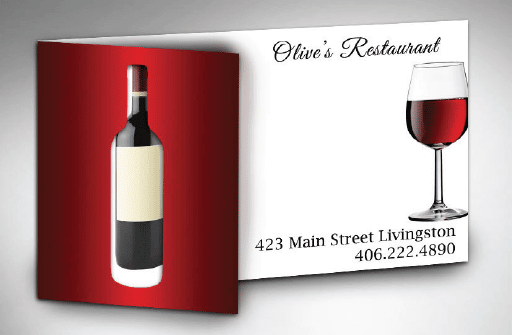
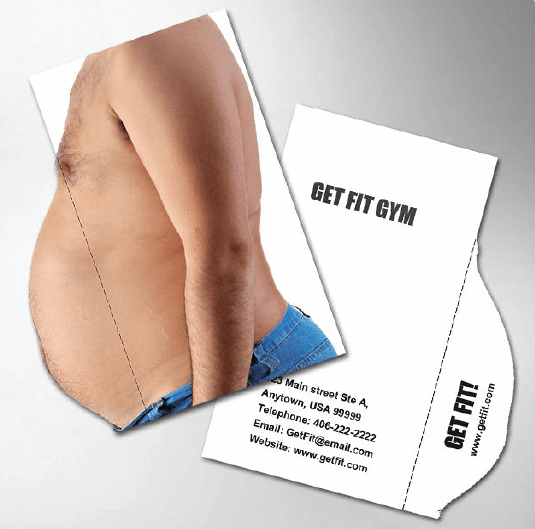
Making a business card pop can be done by adding tactile stimulus. Options range from various paper stocks and weights to plastic or even magnetic substrates. If your product or service is nontraditional, emulate that personality through a die cut or folded business card. Give your customer the ability to interact with the entire piece to boost engagement. Another option for making your business card stand out is embossing or foil stamping. These unique, yet budget friendly customization options create a card that begs for interaction.

If you want to reach tactile stimulus overload (in a good way), consider a specialty coating. Soft touch coating gives your business card a luxurious feel. Spot UV coating can add a unique shine and texture to a specific part of your card or the whole thing.

perf


Trash-proof your cards with these tips and always know that we are here to help. From recommending unique ideas to selecting papers and finishes, our teams understand business cards. We also have a team of designers that will take the hassle out of creating an amazing business card. Give us a call to get started 800-930-7978.

Looking Beyond the Printed Piece

What is your goal?

It goes hand-in-hand with ‘motive’ and ‘purpose.’ It is an all-encompassing mindset that looks beyond a single printed piece and engages the outcome of an entire business as well. While the content of a printed piece is important, the impression it leaves with the consumer has a far greater impact.

Capture2

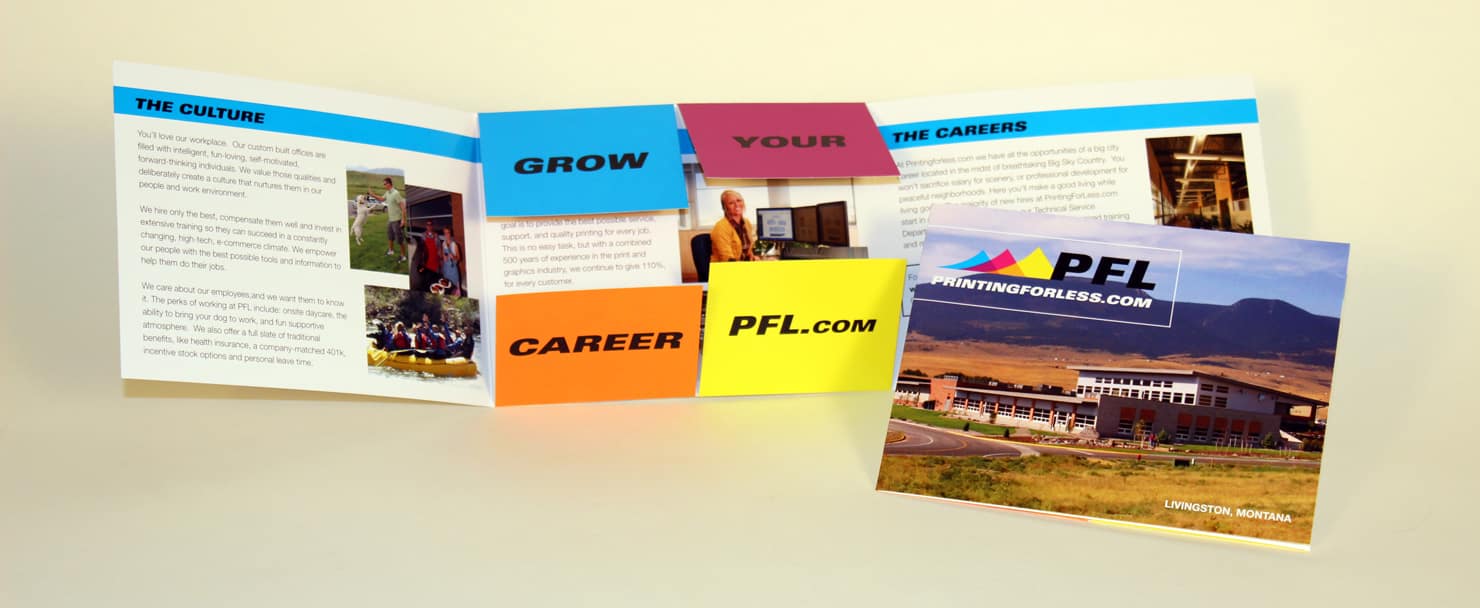
blog_modified-iron-cross If your piece is mostly informational, you may consider a brochure. A creative fold, such as the popular ‘cross fold,’ encourages exploration of the piece, such as in PrintingForLess.com’s HR recruitment piece. On the other hand saddle stitching or perfect binding can encourage a customer to walk through the piece in a more orderly manner.

Capture2

As much as we don’t like to admit it, we as humans develop impressions, values and sometimes stereotypes based on a first glance at almost any situation. That’s why the choice of the format for your printed piece is so meaningful: it directly affects how the customer sees the product in the long-term.

Capture2

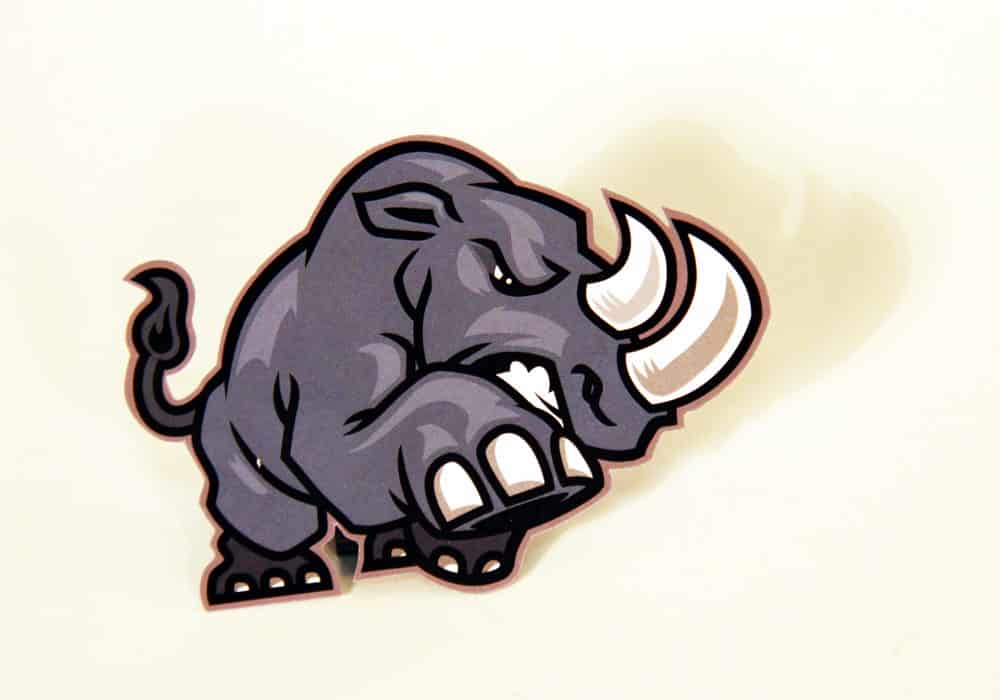
diecut  This charging rhinoceros, die-cut and UV-coated, is the logo for Shirt Rhino, an online T-shirt company for custom screen-printing. The powerful design of this business card is sure to lead with a roar.

guitar_pick

You also might try to leave something useful with the customer, such as in Gibsun’s plastic-coated business card with a die-cut guitar pick built into the card itself.

Capture2

When deciding on a format, consider your overall goals: Why do you operate your business the way you do, and how can you best communicate this to the customer? What specifics are you highlighting? Use your business essentials to drive your detail choices—not the other way around.

Capture2

Chair_Bcard3

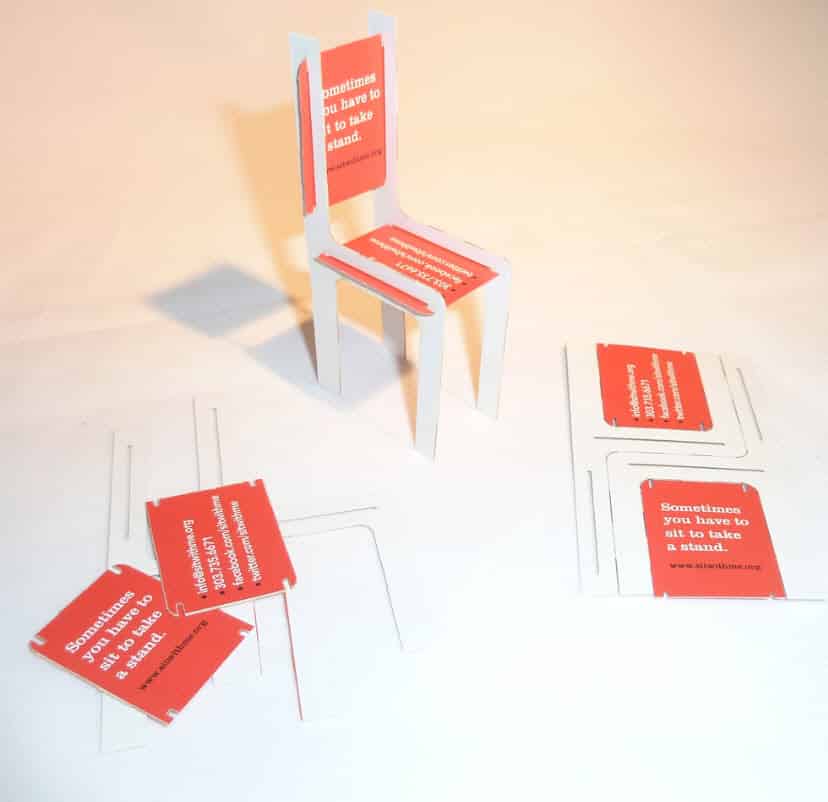
The not-for-profit coalition National Center for Women & Information Technology wanted to cement their idea of ‘The Red Chair’ in consumer’s minds: for NCWIT, this symbol promotes their slogan, ‘Sometimes you have to sit to take a stand.’ They created a business card with four die-cut pieces that could be punched out and assembled into the Red Chair itself: and still maintains its business-card purposes, with NCWIT information (and instructions for assembly) printed on all available faces.

Capture2

There are a variety of options for format when it comes to printed material: business card, folder, newsletter, etc. These are fairly standard choices. But you may need to unleash your creative when it comes to details such as size, design and special effects.

Capture2

WhiteIce The highly contrasting colors on this White Ice postcard draw the eye to the few white spaces left on the card—namely, the brightness of the woman’s teeth, for which the postcard is advertising. The offer and contact information for the tooth whitener are contained on the back of the card. The simple design of a postcard may be just the thing you need to quickly catch your customer’s eye.

Capture2

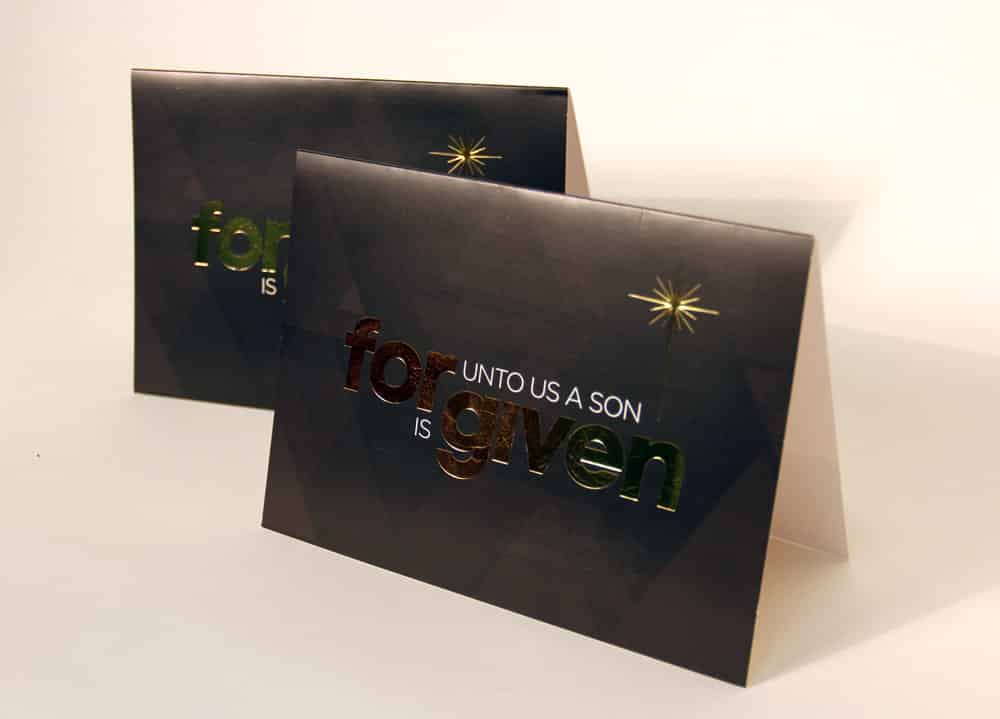
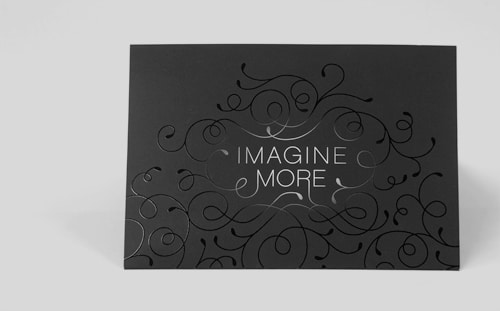
Greeting cards are an excellent way to relate to customers on a personal level while stil foil l maintaining somewhat of a business mindset. KLOVE radio station made these cards with foil-stamping on a plain black front to highlight on two words, which, when combined, form their main message. The visual contrast between the black and gold again underscores their key phrase.

stationery1

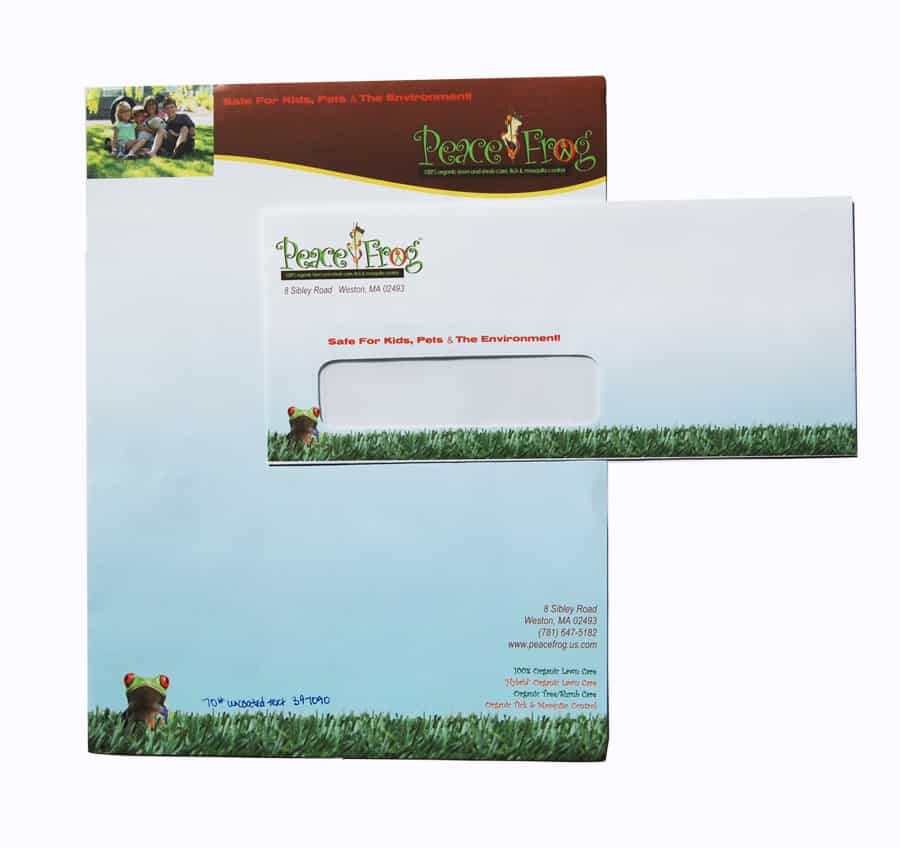
Like greeting cards, stationery can address formal issues while keeping your company’s name and logo in plain view. Matching envelopes are always an impressive touch.

Need help with your print? Talk to a live print expert today: 800-930-7978.
Consider Your Options when Binding Multiple Pages

Are you in a bind trying to decide how best to present multiple pages of information?

This is your guide to organizing your ideas in a presentable way; namely, through any one of the four main types of binding. These four categories range in cost-effectiveness and professionalism. Once you have a goal for your piece in the crosshairs, you will know where your piece falls on the grid.

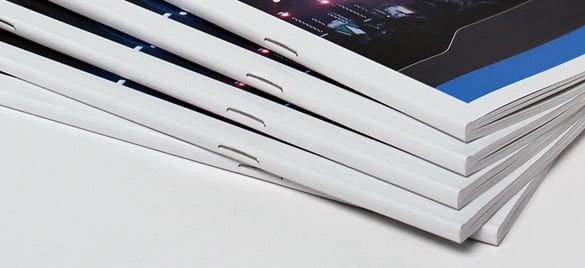
Saddle stitching is the most cost-effective option when it comes to binding your piece. This is the type of binding that you often see in calendars and brochures: usually two or three staples along the spine, halfway through the sheets. The staples will show through on the opposite side, but for many pieces this does not pose an issue. Saddle stitching gives a casual feel while still presenting your information in a well-organized manner.

SquareBackBindingSamples


Square-back binding, shown above, is a cross between saddle stitching and perfect binding, which we will cover later. Square-back is similar to saddle stitching in the way it is produced, and only slightly more expensive: the pages are still stapled on a saddle, but then pressed until the piece resembles perfect binding, with the addition of a few staples showing along the outside of the spine. Square-back binding is slightly more professional than saddle stitching, but still maintains the value pricing. This type of binding works well for short children’s books and short-run magazines.

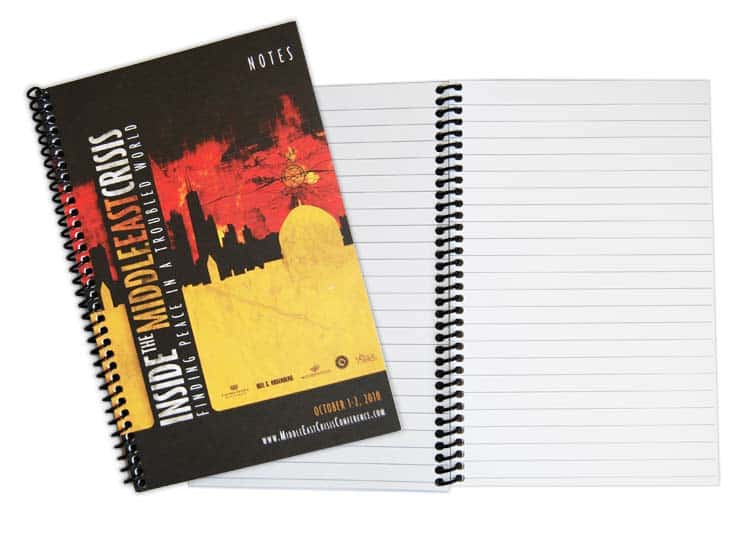
Plastic coil and wire spiral binding are similar in price, but have varying appeals. Both are durable, and can open 360 degrees. On the aesthetic scale these types of binding lean more toward the side of the casual brochure or booklet for a meeting or conference. Using wire binding gives your piece a slightly more finished look than plastic. However, plastic coil can be purchased in a variety of colors to further compliment your brand consistency. coilboundbooklets2

Perfect binding grants the best value, and is ideal for pieces with a larger page count. Although square-back binding might work for shorter volumes, perfect binding can be used for anything with 40 sheets or more, and provides the finest finished look for many pieces. Perfect binding uses a durable, strong adhesive inside the spine to hold your pages together, and is ideal for many larger magazines, books, manuals and catalogs.

When it comes to binding, price often dictates choice. Binding is an afterthought in most printed pieces, and its value is not considered at the forefront. You may have the perfect design for your pages, but binding is necessary to complete your multi-page project.

Keep an eye on the piece as a whole when first considering your target price during the design phase—don’t get to the last phase and leave yourself in a bind about the bind. Hold it together with a choice that supports the quality and goal of the rest of the piece.

Need help with your print? Talk to a live print expert today: 800-930-7978.
Welcome to the Fold – Standard and Unique Printing Folds

Most people don’t give folding enough credit. The physical design of a printed piece is often the first thing people notice, long before their eyes scan the words or images, and sometimes before they even pick it up.

Think about it. Have you ever read a brochure in a doctor’s office or opened a card that came in the mail, simply because the fold beckoned you? Blame human curiosity or FOMO (fear of missing out), but even when you’re uninterested in the content of a piece, it’s almost impossible not to unfold it and take a peek inside.

The Key Benefits of Custom Folding Effects

  1. Low-budget friendly. The fold has every other custom print effect beat when it comes to price. Compared to die cuts, metallic inks and embossing, a fold is insanely cost-effective. Let’s look at a few creative folds for print design and explore the impact they make on your brand, business, or message.
  2. Staying power. Folding encourages the customer to interact with the product longer, making it more engaging than a flat piece of paper. Your message is more likely to stick when you use a fold.
  3. It’s multi-sensory. In a digital world, tactile experiences are less frequent these days. For that reason, they stand out. Like embossing and other special printing techniques, interesting folds invite a tactile connection.
  4. Flexibility. Folds aren’t restricted to specific types of papers or inks. The weight, stiffness, and texture of your paper will create a unique effect depending on what you choose.

Here are several different options for folding, to help you imagine the possibilities for your next print project.

Standard Fold

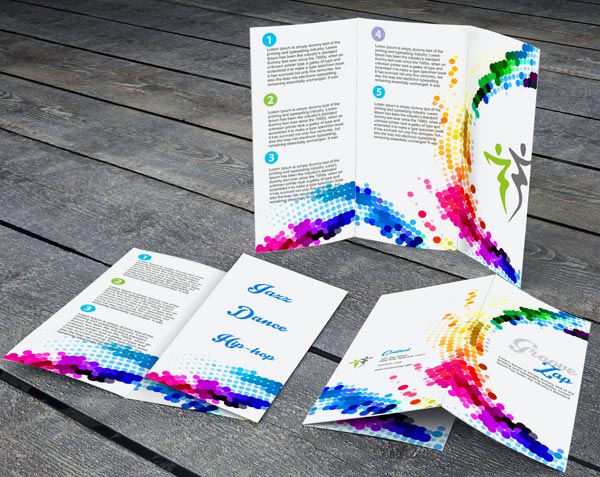
Don’t confuse “standard” with “dull.” The standard fold is the standard because it works! Standard folds include the half-fold (like a booklet) and a tri-fold (like a standard brochure). There are variations on these, including the half-then-half.

standard tri fold brochure

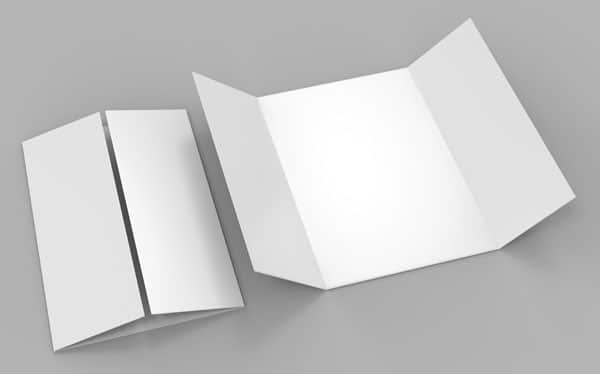
Gate Fold

A gate fold, or barn door fold, is just what it sounds like: a fold that opens up in the center like a gate. An open gate fold starts as a rectangle, and its outer edges are folded inward once to meet in the middle.

standard gate fold brochure

A closed gate fold is folded one extra time over the center to create a shape that looks like a booklet.

Giant Folds

How do you get more content into your printed piece without cluttering it? Easy: use a bigger piece of paper, and fold it down. Change any of the standard folds into “giants” by adding more folds, like in the image below:

Accordion Fold

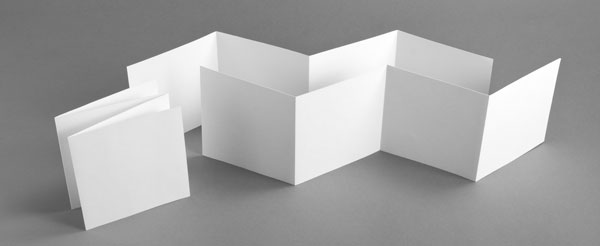
An accordion fold, when fully expanded and standing up, looks like a “Z” from the top. It can have any number of panels, but three is the minimum.

accordion fold example

Iron Cross

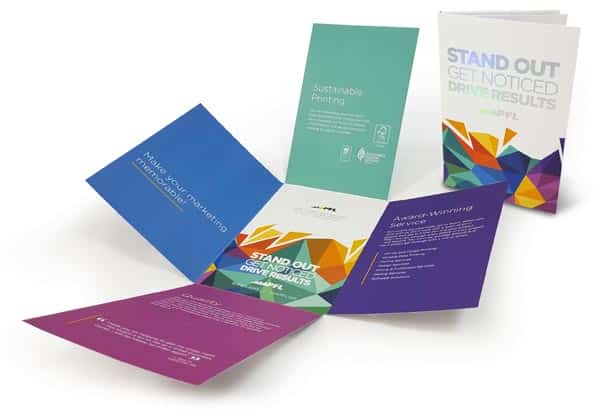
An cross fold fold is a sheet of paper that starts as a cross shape, and each panel folds into the center. Here’s what it looks like:

Iron Cross Fold Brochure

“Reveal” Folds

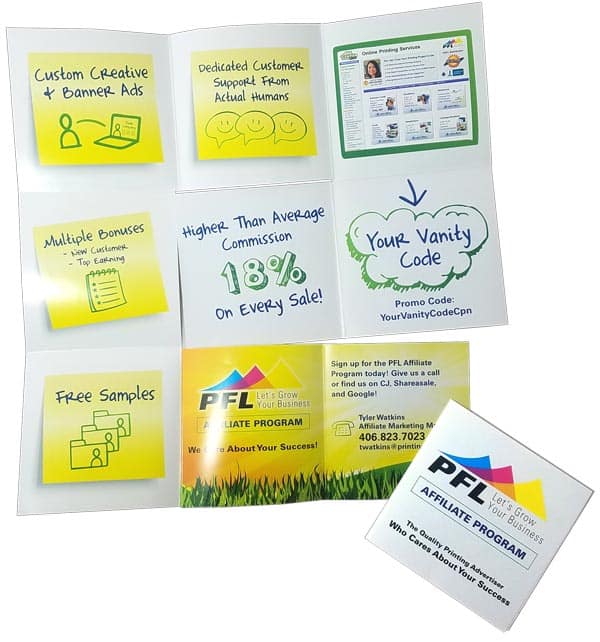
A reveal fold opens up, one panel at a time, until the piece is fully extended. These can be square or rectangular, and can have multiple panels or just a few. These are like cross fold folds that expand out to a square or rectangle, rather than a cross shape.

Hidden Panel Folds

The hidden panel fold has an additional panel that can’t be seen until the whole piece is unfolded. It may resemble a “T” or “L” shape when completely open, an cross fold, or a unique geometric form.

Similar to the “reveal” fold above, a hidden panel fold allows a reader to explore your content as they work their way through the material. This encourages them to hold onto it longer, making it a great tactic for marketing or advertising materials.

Snake Fold

A snake fold is ideal for storytelling, as it reveals one panel at a time until it’s fully extended. The paper for a snake fold is cut so that the folds “snake” around from one corner to the other. See below:

snake fold brochure

Pocket Fold

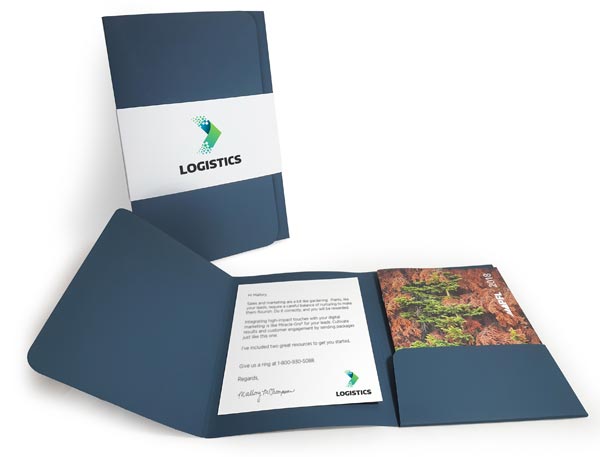
A pocket fold incorporates a physical pocket within your content where you can slip a business card, brochure, coupon, or additional information. You’ve seen these before in standard pocket folders — but there are plenty of ways to customize this fold to your needs.

Tri-Fold Presentation Folder

Twist Fold

In a twist fold, a small square expands into a larger square when you pull on opposing corners. There are many intricate folds within this piece to allow it to cleanly “twist” open and closed.

Exotic Folds

Unless you’re into origami, you may be starting to run out of ideas. But if we dig deeper, you’ll see there is more to the art of folding than first meets the eye.

“Folding Fanatic” Trish Witkowski has yet to run out of ideas. Witkowski is the founder of FoldFactory.com, a printing site that specializes in unique folds.

3D Folds

3D folds are complex, but truly artful and more memorable than typical folds. A great resource for learning more about 3D folds are Paul Jackson’s books Cut and Fold Techniques for Promotional Materials and Folding Techniques for Designers: from Sheet to Form. Though these folds tend to be difficult to learn, they may be well-worth it if you’re interested in the art of folding.

Although Jackson’s folds are mostly used to teach design students, he says that “practical concepts of folding can be adapted infinitely by any designer from any design discipline, using any sheet material.”

3D fold brochure example

Go on, give it a try! You don’t have to be an origami expert to discover a gorgeous fold that serves the perfect function. And when you’re ready to print your design, Printing for Less offers standard folds on most items for only one cent more than the base price, and complex folds which have to be folded by hand begin at six cents over the base price, depending on the intricacies of the fold and the weight of the paper. Get in touch with us today to learn more, we love phone calls. 

Get A Brochure Printing Quote

Complete Creativity in Inks and Coatings

In the ancient Greek language, the word ‘pan’ means ‘all’—limitless; vast; encompassing more than any other. The ‘pantheon’ is a temple dedicated to many gods instead of just one.

So when you’re choosing ink for your product, why stick to ‘process colors’ when you could have Pantone at your fingertips?

Pantone. All tones.

Pantone spot-color technique was developed in 1963 as a color-matching communication system for frustrated advertisers who could never match their ink after it was mixed by various printers at various locations. Since then, Pantone has morphed into a gigantic system, producing thousands of colors not previously available with standard CMYK process ink.

Although the wide range of options is certainly a plus, consistency is Pantone’s forte. Because of the Pantone Matching System (PMS), which uses a detailed combination of numbers and letters in its ink ‘recipes,’ any printer anywhere can perfectly match the color to any other printer, according to pantone.com. This is important for brand consistency. PMS can also ensure smooth coverage of large areas, keeping the colors identical from edge to edge.

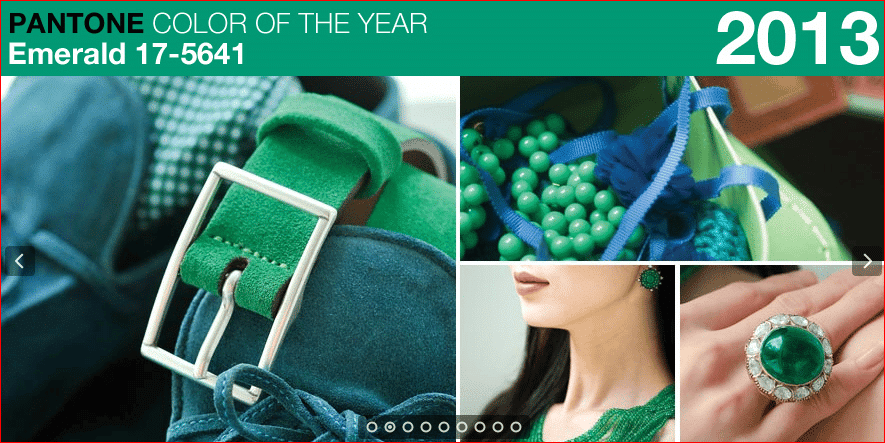
The vibrant array of possibilities now available with Pantone ink has been catching the eyes of consumers for over 60 years, and has given rise to new experimentations with ink. Over the past several years Pantone has been promoting a Color of the Year; recent choices include Emerald, Tangerine Tango and Honeysuckle.

EmeraldStyles

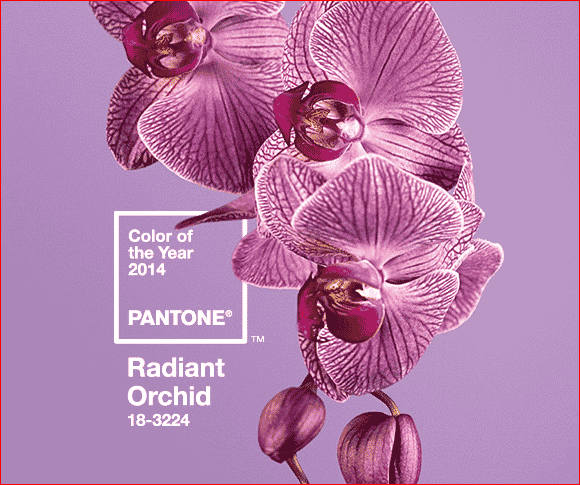
These notable colors have been setting standards around the world, inspiring clothing lines and makeup trends. This year’s Radiant Orchid was chosen for its “magical” and “beguiling charm,” according to Pantone Color Institute Executive Director Leatrice Eiseman.

RadiantOrchid


“It enhances your feeling of being more creative,” Eiseman says. “We’re all looking for that touch of uniqueness.”

Now that you have a Pantone background, it’s time to spice up your text.

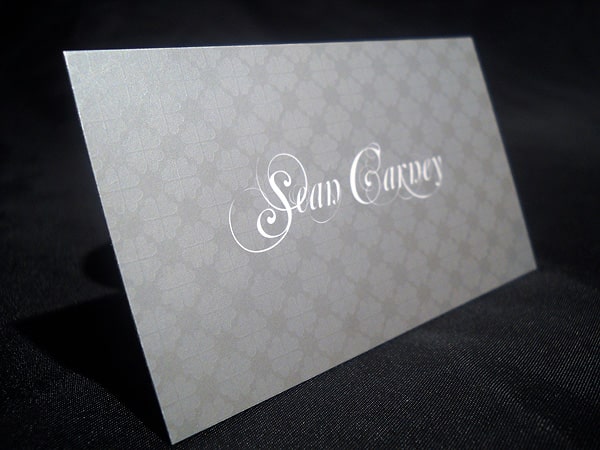
Metallic ink is a good place to start. The gold or silver flakes in the ink give the text a nice pop, especially on dark paper. Push yourself out of your printing comfort zone! On a business card or brochure, use metallic ink sparingly to draw the eye to one specific point, such as the offer—don’t overwhelm your customer with rock-star bling.

metallicink


Keep your metallic ink on coated paper so the tiny chunks of metal in the ink do not sink into the paper, and are able to retain their maximum shine and that extra zing that makes metallic ink stand out. A coating is advisable as well, so the flakes do not transfer to another sheet of paper stacked on top of it. Gloss coatings are standard, but aqueous coatings give the paper a ‘watery’ appearance, even when dry.

If zing isn’t your thing, maybe you’d like a bit of texture, such as with Spot UV coating. Spot UV is applied to a matte coating to cure certain areas of flat paper into items of subtle visual interest. The area of focus, either text or image, will be glossed over slightly. This prompts viewers to tilt the card or paper back and forth to experience the quiet marvel of Spot UV.

SpotUV3


Try applying Soft Touch coating to your piece. This rubbery coating dries quickly, and gives paper another texture. It can be recycled easily, because the coating is water-based. Soft Touch is similar to the coating on many phone and laptop cases, and tends to absorb light rather than reflect it, much like a matte coating.

It’s a softly striking way to combine tactile appeal to an already visually-intriguing piece.

Finally, combining Soft Touch with Spot UV will provide a higher contrast in both reflectivity and tactile stimulus than printing either alone, making your paper products irresistible to both eyes and hands.

Your choices impact the visual and tactile experience for your customer: choose thoughtfully from the nearly ‘pan-options’ of inks and coatings.

Need help with your print? Talk to a live print expert today: 800-930-7978.
  • « Go to Previous Page
  • Page 1
  • Interim pages omitted …
  • Page 30
  • Page 31
  • Page 32
  • Page 33
  • Page 34
  • Interim pages omitted …
  • Page 48
  • Go to Next Page »

Footer

Printing for Less

info@printingforless.com
100 P F L Way, Livingston, MT 59047

800-930-2423

  • Home
  • Products
  • Services
  • Industries
  • Get Printing Samples
  • Direct Mail Marketing Resource Center
  • Printing Resource Center
  • Blogs
  • Templates
  • Terms & Conditions
  • Contact
  • About Printing for Less
  • Careers
  • Login

Copyright © 1998-2026 PrintingforLess.com. All Rights Reserved.

logo
  • 800-930-2423
  • Products
  • Direct Mail Marketing
  • Services
  • Industries
  • Direct Mail Marketing Resources
  • Printing & Mailing Resources
  • Get a Quote
  • Contact Us
  • My Login
Direct Mail Delivery
This field is for validation purposes and should be left unchanged.

Get 20% Off*

Your First Print Order

Name(Required)

*By subscribing, you agree to receive weekly emails from Printing for Less. Some exclusions apply. See details.