My Login
Effective marketing is central to your nonprofit’s growth and continued success, whether “success” means recruiting more supporters for your membership program or hitting a certain fundraising goal. And while you can do great work for your cause by engaging your current supporter base, pivotal growth often relies on branching out to new audiences.
Tapping into these new audiences takes more than a few social media posts or mass emails. Instead, your organization will need to invest time into audience research, develop a cohesive marketing strategy, and craft messaging tailored to the audience’s preferences that still feels authentic.
In this guide, we’ll share actionable marketing tactics for reaching new potential supporters, empowering your nonprofit to make a strong first impression that serves as the foundation for long-term relationships.
Define & Research Your New Audience
Before you can successfully engage a brand-new audience, you’ll need to clearly define who they are and work to understand their interests, preferences, and motivations. From there, you can uncover their preferred communication channels and identify opportunities to personalize the creative components of your outreach.
These are the basic steps you’ll need to follow to get to know your audience:
- Analyze your current donor and supporter data to identify patterns in demographics, behaviors, and engagement. While your new audience obviously won’t have the exact same preferences, identifying strategies that worked well in the past can be a good starting point.
- Conduct research to define key characteristics of your desired new audience, including their values, interests, giving motivations, and communication preferences.
- Create an audience persona to represent typical members of the target group. Incorporate both quantitative and qualitative insights, such as the typical audience members’ age, income, occupation, interests, giving behaviors, etc.
- Compare existing outreach efforts with the needs and expectations of the new audience to identify missed opportunities to address their motivation or values and evaluate channel or tone alignment.
- Develop tailored messages and strategies for the new audience (we’ll discuss this more in the next section).
While this may feel like an extra step standing between you and the campaign’s launch, developing a deep understanding of your audience is critically important to hitting your goals. As Deep Sync’s guide to data marketing explains, analyzing and applying insights about your audience will enhance targeting and personalization, improve campaign performance, help you stand out, and offer higher returns on your investment.
Tailor Communications to the New Audience
To capture (and hold) new prospects’ attention, your nonprofit’s digital and print content must resonate with them. Leverage the following tips to engage your supporters with tailored outreach:
- Reach out via preferred channels. Using your audience research, plan your strategy around the channels the audience uses and engages with most (e.g., SMS, direct mail, social media, email, etc.). It’s best to use multiple channels to increase the number of touchpoints you have with the audience. Keep in mind that experts like Allegiance Group + Pursuant stress the importance of taking an omni-channel approach, integrating channels to subtly nudge supporters toward taking action.
- Tailor your tone and message format. These elements should match your target audience’s values and language preferences. For example, potential major donors might prefer direct mail messages that greet them by name, list highlights from your most recent impact report, and take on a more serious tone. On the other hand, busy professionals might prefer short, engaging, digital messages like a TikTok video or a quick email.
- Adjust the timing and frequency. Align your outreach with when and how your audience prefers to engage. This way, you’re more likely to get your messages in front of the right eyes. While retirees might have more time to engage during the day, for example, working parents likely only have a few hours of downtime in the evenings.
Additionally, consider reviewing your website from the perspective of a new audience member. How easy is it to find information about your programs, impact, and cause? Does your website look polished and professional, positioning you as a trustworthy organization? Do you offer useful content targeted to the new audience, and is it ranking well on search engines?
Your website is likely the next stop interested prospects will make after seeing your marketing messages, so it must serve as a compelling single source of truth.
Prioritize Personal Touches
In the cluttered marketing landscape, reaching out in personal, authentic ways can differentiate your nonprofit. New audiences are also more likely to trust and engage your organization if you treat them like individuals rather than numbers or data points.
Show intentionality in your outreach with strategies like:
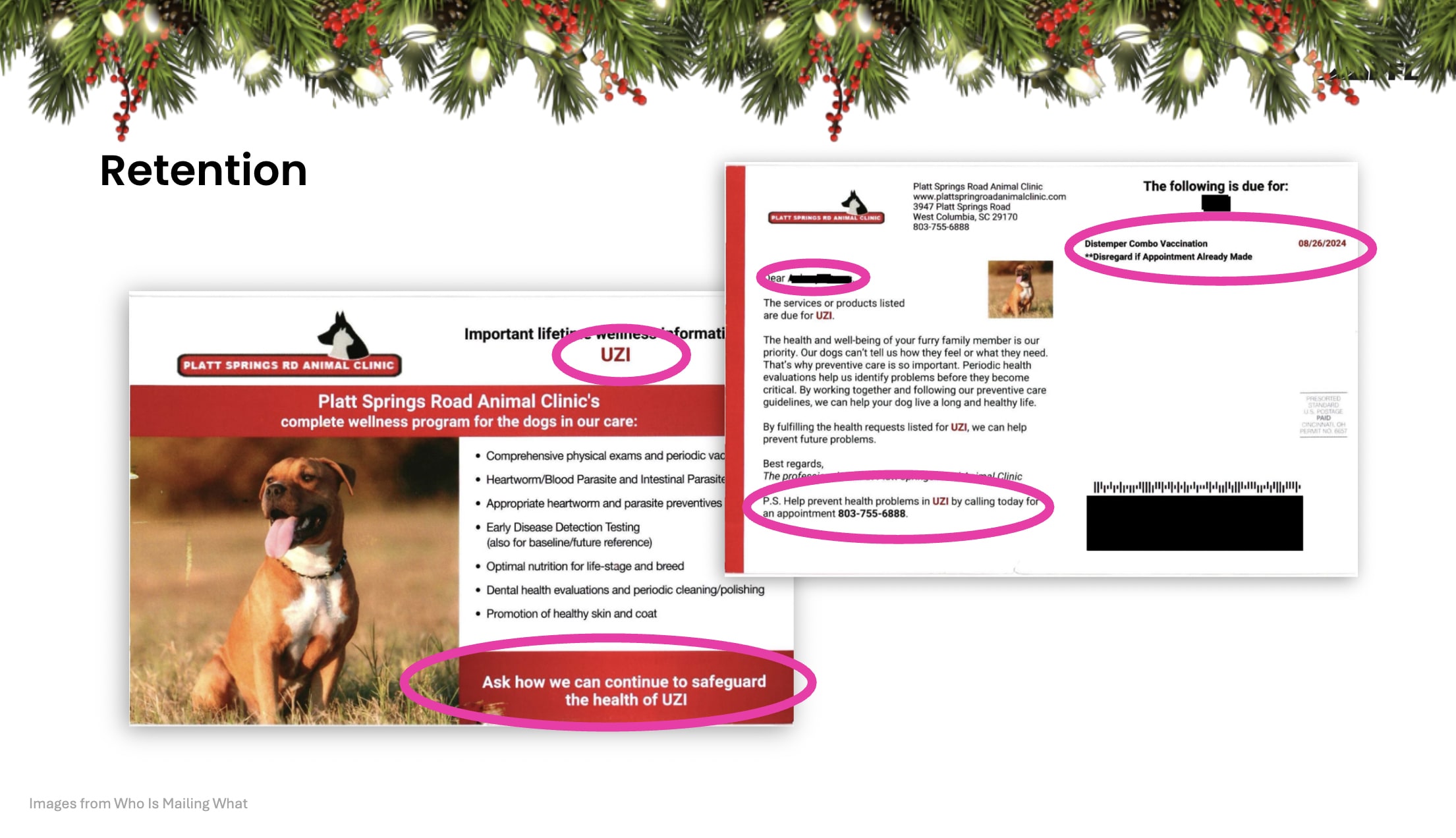
- Addressing their interests. Reference specific local events, interests, or shared values in your messaging. This makes it clear that you’ve done your homework and both understand and care about the community you’re trying to reach.
- Establishing a specific point person. Assign a specific staff member to follow up with new contacts, fostering real relationships from the start. Sign off communications like emails or letters using this point person’s name for consistency.
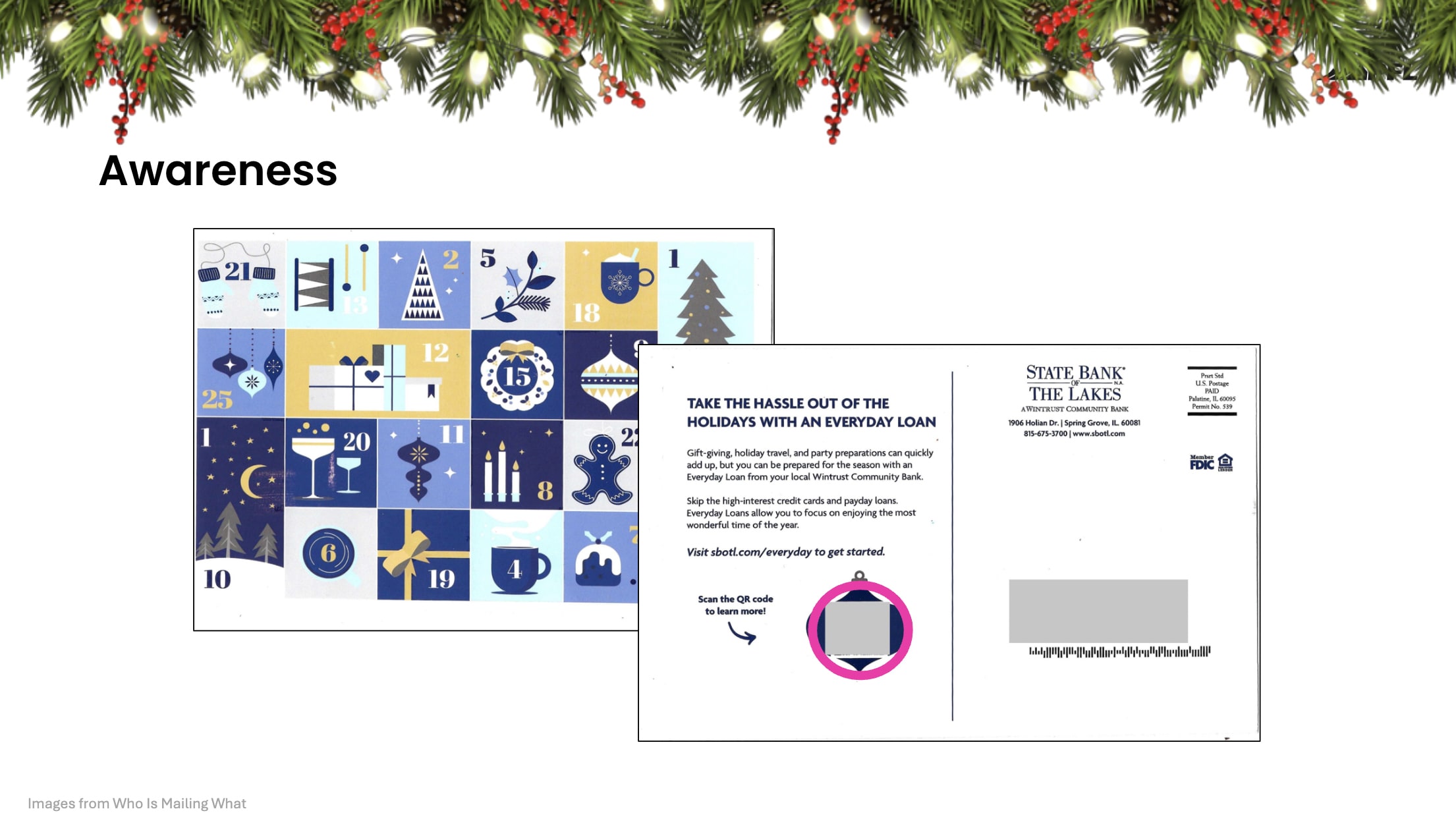
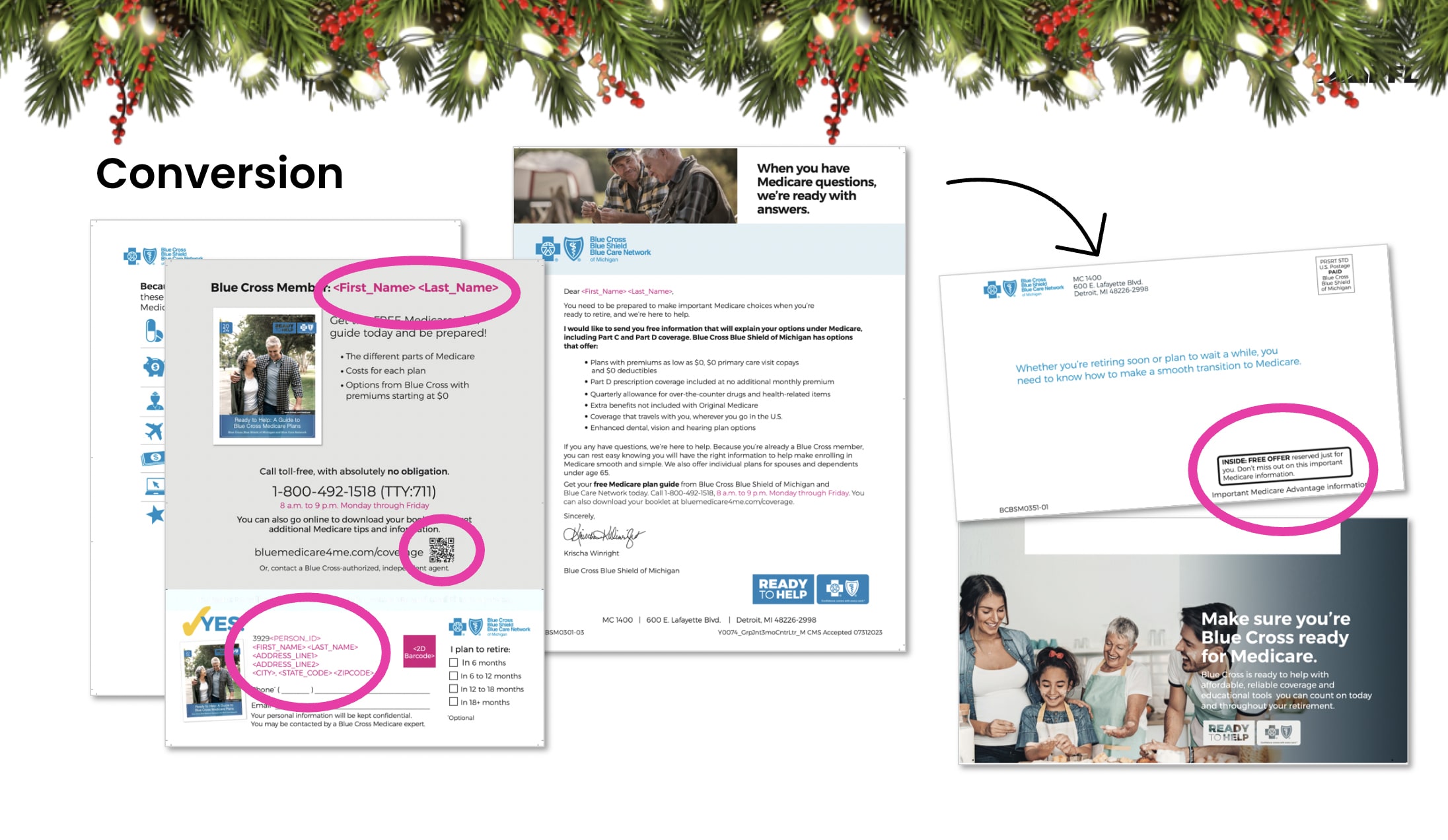
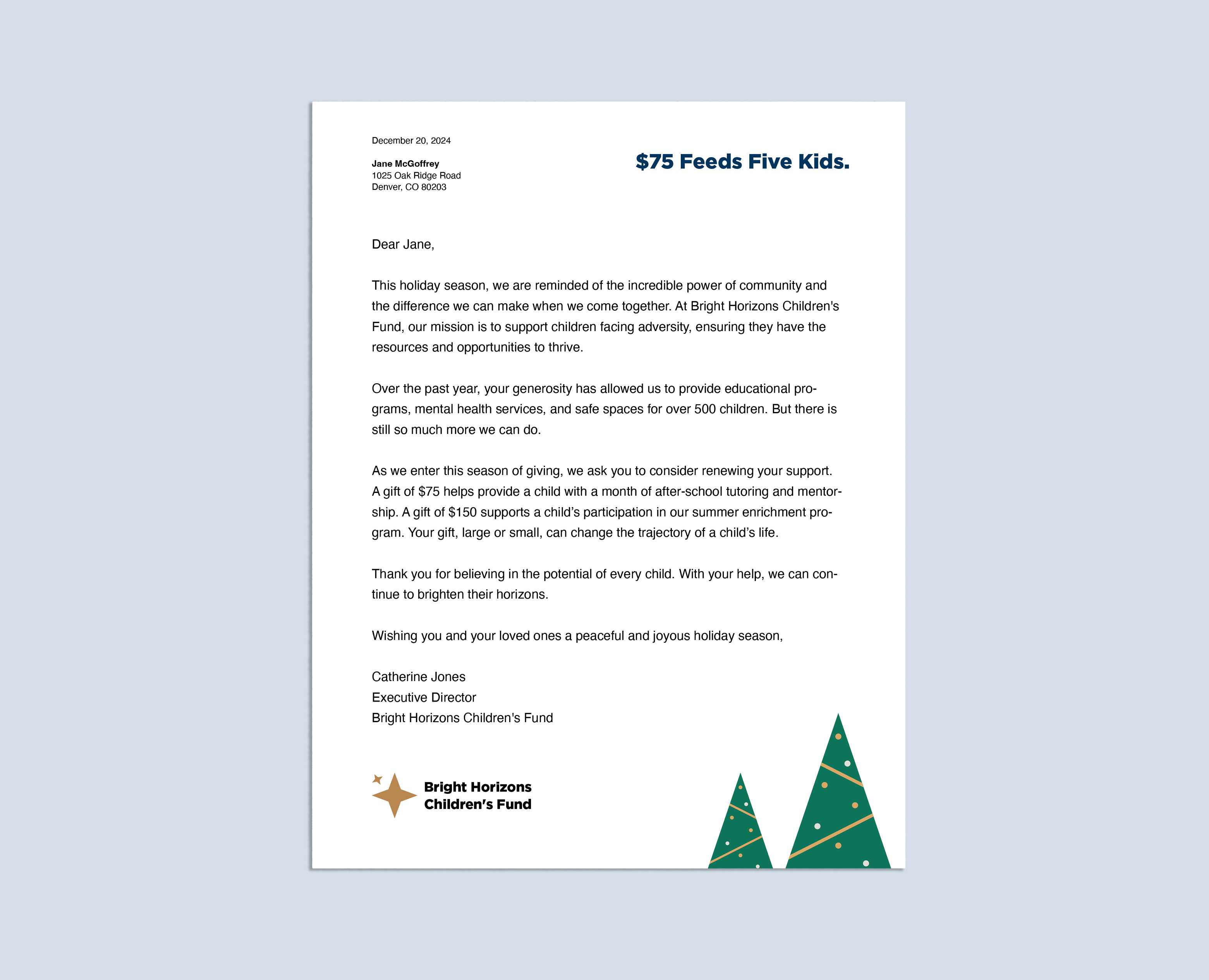
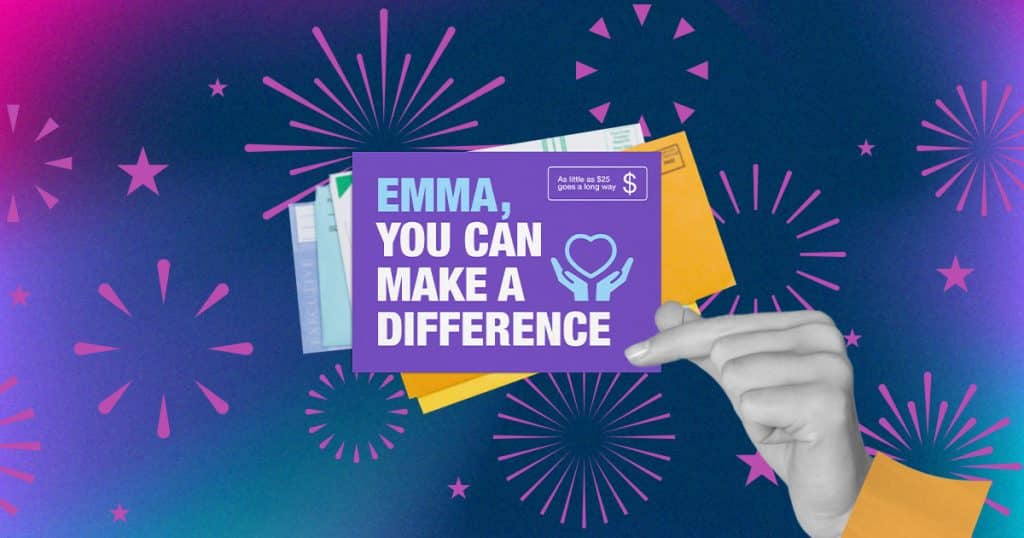
- Leveraging direct mail. Direct mail feels very personal, showing that your nonprofit put effort into reaching supporters and understanding their preferences. Additionally, direct mail offers a tactile first impression, making it more memorable than just another social media post or email cluttering their inbox. Use your research to select the format (e.g., postcards, letters, brochures, newsletters, greeting cards, etc.) and personalize the copy by greeting them by name.
- Sending handwritten notes. Depending on the size of your nonprofit and the audience you’re targeting, this can be a great way to make a unique, meaningful first impression or thank first-time supporters. This shows that your organization is willing to invest time and effort into forming a new relationship.
Because direct mail can involve more moving parts and logistical details than digital channels, you might need more support. For one, you’ll need a printing partner to help you create high-quality, professional mailers. Additionally, working with an agency specializing in direct mail pairs you with a team of experts who can help you target the right audience and share your story.
Refresh Your Brand
Sometimes, the barrier to reaching new audiences is outdated branding. Inconsistent or stale branding can undermine your credibility and brand recognition, particularly with new audiences. Here are a few signs you might need to refresh or completely rework your brand:
- Your visual identity feels outdated or is applied inconsistently across channels
- The brand no longer accurately reflects your mission or programs (e.g., you’ve expanded or pivoted)
- Your organization lacks distinctiveness in your sector
- Audience engagement is flat or declining
- There is internal confusion or frustration about the brand (e.g., there aren’t clear guidelines on how to use each version of your logo)
If you find it’s time to update your brand, identify the root cause of the issue and aim to correct it in your brand’s next iteration. Be sure to study peer organizations, taking inspiration from successful brands while keeping yours distinct. Then, infuse your new brand colors, logo, graphics, etc., into all of your communication channels, from your website design to your social media posts to direct mail.
Expanding your reach is about showing up with the right message in the right format for the people you’re hoping to reach. Remember to carefully track your campaigns to determine whether you’re on track to reach your goals, using the appropriate key performance indicators for each channel (e.g., response rates for direct mail or click-through rate for email). Analyze your findings, identify gaps or opportunities to improve, and make your next campaign that much more effective.