My Login
Custom Brochure Printing
Inform customers about your business while making a lasting impression with custom-printed brochures.
Brochure Printing Options
- Full color on front or both sides, black, or blank on the back
- Optional UV coating for extra shine and durability
- Rush production available
- Full-service direct mailing
Brochure Sizes
- Standard sizing: 3.5” x 8.5”, 5.5″ x 8.5″, 8.5″ x 11″, 8.5″ x 14″, 11″ x 17″, 11″ x 25.5″
- Printing for Less also offers folded and custom-sized brochures, allowing you to choose a format that best matches your brand and use case.
Standard Brochure Papers
- 80# Gloss or Dull/Matte text
- 80# Gloss or Dull/Matte cover
- 100# Gloss or Dull/Matte text
- Recycled or Custom Papers Available
Make Your Brochures Stand Out
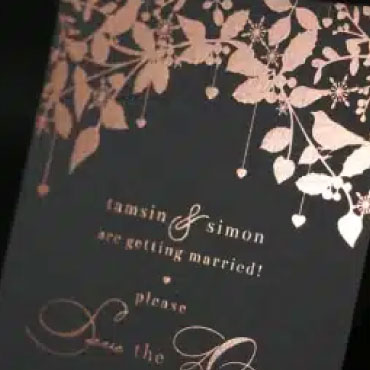
Foil Stamping
Foil stamping uses heat and pressure to apply a metallic or matte finish to your print. Choose from shiny metallics, bright white, holographic, or colored foil. It’s a simple way to make your logo, text, or design elements stand out on the page.
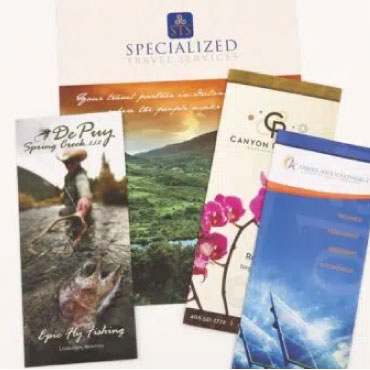
Custom Sizes
Standard sizes work for standard needs—but when you want to stand out, custom sizing makes a difference. We offer a wide range of brochure sizes to help your piece get noticed.
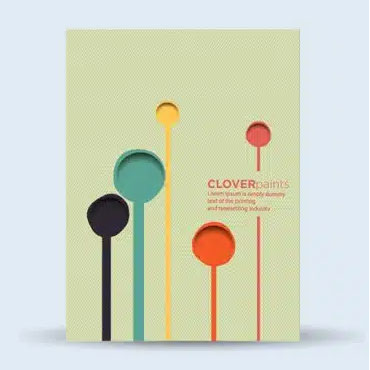
Die Cutting
Die cutting adds custom shapes and cutouts to your brochures. Highlight key elements, reveal images beneath, or create a unique shape. It’s an effective way to capture attention and leave a lasting impression.
Custom Brochure Printing Options
Promotional brochures are a powerful way to communicate your value to customers. From simple single-sided flyers to tri-folds and more complex cross-fold designs, Printing for Less offers a wide range of brochure options to help your business stand apart. Our team brings over 20 years of combined print experience and is here to help guide you every step of the way.
The right finishing touches can elevate your brochure before a single word is read. The look, feel, and interaction all work together to create a memorable experience.
- Add visual impact with metallic foil, spot UV coating, branded Pantone colors, or die-cut elements.
- Soft-touch coatings or embossing add a tactile quality.
- Unique folds guide how your message unfolds, helping you tell your story step by step.
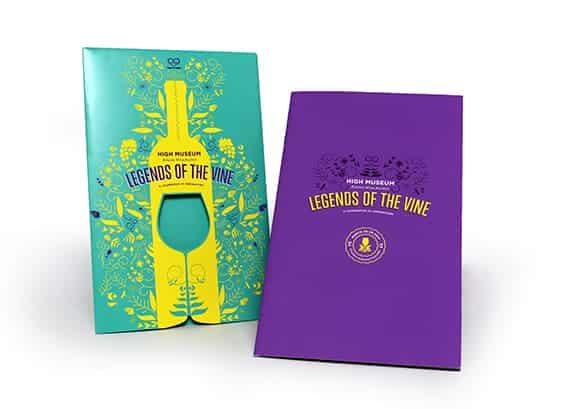
Brochure Design
Design It Yourself
If you’re creating your own brochure, our templates make it easy to get started. We offer layout and fold templates for standard brochure sizes. Use them to set up your files correctly for print and ensure your design meets size and layout requirements.
Design with Purpose
Every brochure should guide the reader to take action. Start with a clear goal, then design around it.
- Use bold, eye-catching visuals to grab attention.
- Add finishes like foil stamping, embossing, or special coatings to enhance your design.
- Choose the right paper and finish—avoid glossy coatings if you need space to write.
- Use folds strategically to encourage interaction and guide your message.
Layouts and Folds
Once you’ve defined your purpose, consider how your brochure will be folded. While tri-fold brochures are the most common, there are many options to help your piece stand out:
- Tri Fold
- Half Fold
- Iron Cross
- Gatefold (Open or Closed)
- Stair Step
- Accordion
- Z Fold
- Barrel Roll
- Double Parallel
- Snake Fold
Need Help with Your Brochure Design? We’ve Got You Covered.
Designing a brochure can be challenging. Our team will work with you to create a custom design that aligns with your brand and is ready for print, using the right layout, imagery, and finishing options to make your piece stand out.
Our experienced designers collaborate with you one-on-one to create custom pieces that show off your business and astound your customers.
Brochure Marketing Tips
Define Your Purpose
Why are you creating a brochure? Marketing typically serves one of two goals: driving a specific action (call for a consultation, place an order, etc.) or building awareness of your brand. A brochure can often do both—thanks to the space it provides and the ability to organize content into panels through folds.
Start by defining what you want your brochure to achieve, then design everything around that goal. Unique folds can make your piece more engaging, encouraging people to spend more time with it, and making it easier to remember.
Keep it Simple
Keep your brochure clear and focused. Include one strong, easy-to-follow call to action. Avoid asking customers to do too many things at once—choose one action and make it easy to track and measure.
Your design should be clean and easy to read. A brochure is a tool, and it should be simple to use. If key information is buried under cluttered graphics, it will be overlooked. Use concise messaging and let images or graphics support your message.
Benefits or Features?
You’ll often hear that marketing should focus on the benefits of your product, solution, or offer, not features—and in most cases, that’s true. Show how your product or service improves your customer’s life, then support that with details.
That said, brochures can also work well for presenting features. If you need a clear, structured way to showcase what your product offers, a brochure is a strong format. In general, lead with benefits and use features to reinforce your message.
Make it Trackable
If your brochure includes an offer, URL, or phone number, consider making it unique to that piece. This allows you to track responses and understand how well your brochure is performing.
One advantage of print marketing is that it can reach beyond your initial audience. You may hear from people you didn’t specifically target—but who are still a great fit for your business.
Keep Your Brand Consistent
Use consistent colors, logos, messaging, and overall style across all your marketing assets. Your brochure should feel like a natural extension of your brand. Consistency makes it easier for customers to recognize and remember you when they’re ready to take action.
How Many Brochures Do You Need?
It may seem obvious, but it’s important to plan your quantity in advance. Larger orders typically reduce the cost per piece, but ordering too many can lead to waste—especially for time-sensitive promotions or if storage is limited.
Find the right balance based on your needs, timeline, and budget.
Brochure Pricing Considerations
So, what goes into the cost of printing brochures? Several things can affect the price.

Ink Options
All brochures and flyers come with 4-color printing on the front. The second side can also be printed in CMYK 4-color process, black ink, or left blank. Pantone and metallic inks are available upon request. Gloss UV coating adds a high-shine, protective finish for a high-end look and feel.

Paper Stock and Brochure Costs
The type of paper you choose is the biggest factor in cost. Premium papers offer a more luxurious feel but come at a higher price. Thicker stocks typically cost more as well. Our knowledgeable print experts can help you choose the right paper for your budget and purpose.
Paper also plays a critical role in how your brochure performs. It affects how the piece folds and the structural integrity of the piece. At Printing for Less, we use high-quality paper across all options. Even our most affordable choices are designed to print cleanly, fold properly, and hold up over time.

Custom Effects and Brochure Costs
Custom effects like metallic ink, foil stamping, die cutting, embossing, and debossing will increase the cost. Some effects cost more than others, especially die cutting and embossing, which may require a custom die to be made.
Our print experts will help you decide which effects make sense for your project.

Quantity
Because of the initial setup costs associated with offset printing, larger quantities reduce the cost per piece. Printing more at once is typically more cost-effective than splitting your order into smaller runs. Plan your quantity based on how long your content will remain relevant.

Brochure Holders
Need a custom display for your brochures? We offer brochure holders that can be custom-printed to complement your materials and enhance your branding.
Brochure Mailing Services
Even the best-designed brochure won’t deliver results unless it reaches your audience. Direct mail remains a proven way to connect with customers.
If you’ve ever spent time addressing, stamping, and stuffing envelopes, you know how time-consuming it can be. Our equipment and processes allow us to handle mailing efficiently and at scale. We can insert pieces into envelopes, wafer seal catalogs, and prepare your mailing quickly—without the manual effort.
Looking to grow your customer base? Printing for Less can help you identify your target audience and source a mailing list that fits your needs.

Measuring Success
To ensure your direct mail brochure campaigns are effective, it’s essential to measure their success. Here are some ways to do it.

Response Rate
Response Rate
Track how many recipients responded to your brochure. This can be done through QR codes, PURLs, or specific phone numbers.

Conversion Rate
Measure how many of those responses led to a sale or desired action.

Return on Investment (ROI)
Calculate ROI by comparing the revenue generated from the campaign to the costs of producing and mailing your brochure.

A/B Testing
Experiment with different designs, messages, and offers to see what resonates best with your audience. Use the results to refine future campaigns.
What Our Customers Are Saying About Printing for Less
“The customer service is excellent. The team is efficient in all aspects. My go-to printers!”
Denise V.
Vianco Enterprises

“Amazing patience in showing me how to improve my product, awesome quality, and speed in production. I so appreciate Team Big Sky!!!”
Gordon H.
GTH Consulting
“Our company is thrilled with our recent print job! Everything turned out beautifully, and we’re so glad we chose Printing for Less. Their communication was excellent, and we could always rely on them to follow through on their commitments!”
Sydney P.
PDI Technologies
Let Printing for Less help you create brochures that will connect you with your audience in a real and memorable way.
Brochures FAQ
Why choose Printing for Less for brochure printing?
Printing for Less provides high-quality brochure printing with extensive customization options and expert support. From standard to fully custom, we help organizations of all sizes create professional, brand-consistent brochures with confidence.
Can I include variable data or personalization in brochures?
Yes. Printing for Less supports personalized brochure printing using variable data printing (VDP), allowing you to customize brochures with names, offers, or targeted messaging. Personalization helps make your brochures more relevant to each recipient and can improve engagement and response rates.
What is the turnaround time for brochure printing?
Most brochure orders ship within a few business days. Printing for Less also offers rush production options for time-sensitive projects. You can choose your preferred production speed at checkout or contact our team with specific turnaround questions.
Can Printing for Less mail my brochures?
Yes. Printing for Less is a full-service mailing house that can print and mail your brochures as part of a complete direct mail program. We handle addressing, sorting, and USPS delivery, and can mail brochures using a provided mailing list or directly to you. Checkout our mailing services page to learn more.
What paper and coating options are available for brochures?
Brochures can be printed on a variety of paper stocks, from thin uncoated papers to thick cover stock for a more durable, professional feel. Printing for Less offers standard brochure paper and coating options, including: 80# Gloss or Dull/Matte Text, 100# Gloss or Dull/Matte Text, and 80# Gloss or Dull/Matte Cover.
Additional options such as recycled papers and SmartFlex® synthetic paper are also available. Our experts can help you choose the best paper and coating for your specific brochure needs.
How do I design a brochure that makes an impact?
To design a brochure that makes an impact, start with a clear headline, strong visuals, and a focused call-to-action that guides the reader. Keep copy concise and ensure imagery, colors, and layout are consistent with your brand. Printing for Less offers design templates and expert design support to help you select the right layout, finishes, and specifications. You can request a quote or call our team to discuss your project in detail.
What types of brochures can I print?
Printing for Less offers a wide range of brochure types, including tri-fold, bi-fold, z-fold, and custom layouts in multiple sizes. Brochures can also be printed with unique folds or dimensions to match your design and messaging needs. The term “brochure” commonly refers to folded printed materials such as flyers, handouts, pamphlets, and leave-behinds used for marketing and information sharing.
Can I print brochures in custom sizes?
Yes. While standard brochure sizes are available, Printing for Less can print brochures in fully custom sizes and shapes. Custom sizing gives you more flexibility to match your design, folding style, and distribution needs while helping your brochure stand out.
Why are brochures an effective marketing tool?
Brochures allow businesses to share detailed information in a clear, organized, and easy-to-reference format. They work well for sales presentations, events, in-store displays, and direct mail, giving customers time to review your message at their own pace. With professional design, quality paper, and full-color printing, brochures help reinforce your brand and support informed purchasing decisions.