• Skip to primary navigation
  • Skip to main content
  • Skip to footer
Printing for Less

Printing for Less

At Printing for Less, we've offered high quality online printing services since 1996. Shop business cards, booklets, stickers, and more!

P F L.com
My LoginMy Login
800-930-2423
  • Printing
    • Postcards
    • Business Cards
    • Catalogs
    • Brochures
    • Folders
    • Letters
    • Newsletters
    • Envelopes
    • Greeting Cards
    • Print Templates
    • All Products
  • Direct Mail
    • Why Direct Mail Marketing?
    • Every Door Direct Mail® Postcards
    • Direct Mail Letters
    • Catalogs & Booklets
    • Marketing Gifts & Kits
    • Direct Mail Automation
  • Services
    • Mailing Services
    • Corporate Services
    • Design Services
    • Custom Printing Services
    • Reseller Program
  • Industries
    • Advertising & Design
    • Food & Beverage
    • Healthcare Payers
    • Healthcare Providers
    • Nonprofit
    • Real Estate
    • Retail
    • Technology
    • University
  • Resources
    • Direct Mail Marketing
      Resource Center
    • Printing Resource Center
    • Blogs
    • Templates
    • Video Library
    • Have a Question?
  • Get Samples
  • Holiday Shopping
  • Get a Quote

Blog

Four Ways to Make Halloween a Treat, Not a Trick

Four Ways to Make Halloween a Treat, Not a Trick

By The Printing for Less Team

Halloween is more than costumes and candy—it’s a golden opportunity for marketers to delight customers in creative, memorable ways. This year let’s turn direct mail into your brand’s secret weapon for some truly scary levels of engagement. Here are four frighteningly effective ways to stand out this October.

Trick-or-Treat—With Mail!

Who says trick-or-treating is just for kids? Send out Halloween-themed mailers packed with exclusive offers or “scratch-and-win” treats. Make your customers feel like they’re unwrapping a surprise, not just another piece of mail. Engaging, tangible experiences win customer loyalty—and spark sales—by blending fun with serious results.​

Tell a Haunted Story

Give your brand a voice that haunts in the best way! Use short, Halloween-inspired stories or playful legends in your mailers. Whether you share local ghost tales or “scary good” customer success stories, direct mail can transport recipients into a world where your brand is the hero of the season.​

Don’t Ghost Your Prospects!

Target lapsed customers with mail that’s impossible to ignore. Use clever lines like “Don’t ghost us!” with bold, seasonal designs to grab attention and win back lost leads. The Halloween spirit is the perfect excuse to reconnect with customers who might have disappeared—and research shows direct mail is a proven leader for these “win-back” campaigns.​

Deliver Treats—Not Tricks: Community Safety Tips

Show you care by offering more than just promos. Include Halloween safety tips, such as trick-or-treating checklists or allergy-friendly guidelines. Providing helpful content builds trust and real connection, reminding families that your brand is all about treats—not tricks.​

With these four creative approaches, you’ll cast a spell on your audience—making Halloween a memorable, results-driven season for everyone involved.​

4 Ways to Make Halloween a Treat, Not a Trick

Your panicky competitors are probably right now flooding in-boxes with the same tired “BOO-tiful savings!” email subject lines. Well, you’re about to enter the direct mail marketing zone, where you’ll learn how physical mail can transform Halloween from just another sales holiday into an unforgettable brand experience.

Ready to give your customers goosebumps—the good kind? Here are four effective Halloween-themed direct mail strategies that’ll have recipients happier than a kid with an overflowing candy sack (unless it’s filled with only full-size Snickers).  

1. Trick-or-Treat—With Mail!

Remember the pure joy of dumping out your trick-or-treat bag to scour through the night’s haul? Recreate that magic in mailboxes with interactive Halloween mailers that demand to be opened, played with, and shared.

Try these sweet ideas:

• Scratch-off “spell” cards revealing tiered discounts—bronze cauldrons get 10 percent off, silver gets 20 percent, and rare golden cauldrons unlock 30 percent off.

• Pop-up haunted houses that unfold to reveal product showcases or store maps for Halloween events.

• “Mystery envelope” campaigns where customers collect three different Halloween characters throughout October to complete a set and earn a grand prize.

Pro tip: Include a hashtag such as #MailboxMagic and encourage recipients to share their “treats” on social media. One outdoor retailer saw a 47 percent increase in redemption rates when they gamified its Halloween mailer with collectible monster cards featuring different gear categories.

2. Tell a Haunted Story

Every town has its legends, and every brand has its tales. This Halloween, become the master storyteller who weaves your products into spine-chilling (or spine-tickling) narratives that stick in customers’ minds long after the jack-o’-lanterns rot.

Here’s how to craft your brand’s ghost story:

• The Vanishing Customer: ”Legend says that loyal customers who don’t receive exclusive October offers vanish into the competitor’s realm forever…”

• The Midnight Sale: Create a series of three mailers throughout October, each revealing another chapter about how your “haunted warehouse” needs clearing before midnight on Halloween

• Local Lore: Partner with local historians to share real ghost stories from your area, then cleverly tie them to your business locations or founding story

Real-world win: A boutique hotel chain created “Guest Ghost Stories” mailers featuring actual historical tales from their properties, each ending with a special “ghost hunter’s rate” for brave travelers. Bookings increased 34 percent year-over-year.

3. Don’t Ghost Your Prospects!

That customer who hasn’t purchased since last Halloween? They’re not gone—they’re just waiting for the right “spell” to bring them back. Halloween gives you the perfect excuse to resurrect dormant relationships with personality and humor.

Wake the dead (accounts) with these approaches:

• Zombie customer campaigns: ”We thought you were dead! Here’s 25 percent off to prove you’re still with us.”

• Séance-style invitations: Black envelopes with silver foil asking lapsed customers to “return from the other side” for exclusive preview events.

• “Missing person” milk cartons: Feature the customer’s name on a faux milk carton design: “MISSING: Your favorite customer. Last seen: [date]. Reward for return: [offer]”

The numbers don’t lie: Win-back campaigns using direct mail see response rates five to nine times higher than email alone does. Add Halloween creativity and you’ve got a resurrection spell that actually works.

4. Deliver Treats—Not Tricks: Community Safety Tips

Nothing builds brand trust faster than showing you care about customers themselves and not just about their wallets. This Halloween, position your brand as the neighborhood hero by combining valuable safety content with subtle marketing magic.

Create “keeper” mailers that parents will actually stick on their fridges:

• Glow-in-the-dark safety cards with trick-or-treat times, emergency numbers, and your logo that literally shines in the dark.

• Allergy alert door hangers that parents can customize, featuring “Teal Pumpkin” information and sponsored by your brand.

• Costume safety checklists designed as vintage horror movie posters, complete with QR codes linking to your Halloween hub.

Bonus points: Include a map of participating “safe treat” locations—naturally featuring your business and partners. One regional pharmacy chain saw a 23 percent increase in October foot traffic after distributing 50,000 Halloween safety guides with store locations marked as “official candy inspection stations.”

The Final Spell

This Halloween, while others rely on digital shrieks that vanish with a click, your direct mail campaigns will live on—pinned to fridges, shared with friends, and remembered long after the cobwebs come down. Sometimes the most magical marketing move is simply showing up in the real world with something worth engaging with.

Top 5 Marketing Mistakes To Avoid That Turn Customers Away

Top 5 Marketing Mistakes To Avoid That Turn Customers Away

According to U.S. Bank’s 2025 Small Business Survey, the top three stressors for small business owners are:

  • Economic environment (98%)
  • Competition (92%)
  • Inflation or increased costs of materials and supplies (92%)

To stand out among similar brands and secure customer loyalty amid economic volatility, you need to revamp your marketing strategy. This guide explores common marketing mistakes small businesses make — and how you can avoid them to build a sustainable customer base.

1. Overpromising and Underdelivering

While strong marketing requires emphasizing your product or service’s strengths, exaggerating their value, or otherwise fabricating the truth, about your offerings can erode customer trust over time — and make your business look dishonest.

How To Avoid This Mistake

  • Set realistic expectations. Clarify your business’ typical pricing, stock levels, shipping times, and service quality while acknowledging any deviations from the norm. For example, let’s say you run an e-commerce business. You typically ship items within two to three business days, but one of your most popular items is on backorder, and you’re unsure exactly when it will ship. Instead of using absolute language like “We always ship items within two to three business days,” mention the delay and an estimated timeline.
  • Keep accurate inventory records. As Bottle POS explains, with real-time inventory tracking, “You can see exactly what you have in stock at a glance to answer customers’ questions, make more informed decisions, and reorder your bestsellers before a stockout strikes.” Invest in a point of sale (POS) solution that empowers you to provide accurate inventory updates to your customers.
  • Be transparent. Mistakes happen, but it’s how you handle them that matters. If your business experiences severe shipping delays, product shortages, or other related issues, address them immediately. Send customers an email explaining the situation, and if applicable, offer discounts, product substitutions, or credit toward future purchases to show accountability.

2. Ignoring Your Target Audience

Every business has its own niche. Instead of running generic campaigns that don’t resonate with customers, take the time to understand your target audience and customize your marketing communications to their needs.

How To Avoid This Mistake

  • Build customer personas. Define your ideal customers’ core characteristics, including demographics, income, lifestyle, buying habits, and motivations. For example, a pet store owner may develop different customer personas for first-time pet owners, budget-conscious shoppers, and people with multiple pets.
  • Collect customer data. Gather information on your current customer base to better understand your audience and how you can best tailor your messaging to them. Deep Sync’s data marketing guide recommends collecting a combination of zero-party, first-party, second-party, and third-party data for a holistic view of your customers.
  • Segment your audience. Once you deepen your understanding of your customers, sort them into relevant groups and send communications that resonate with each segment. For instance, you may segment customers based on purchase history, sending frequent shoppers new product updates and sharing discounts with less frequent customers to encourage them to make a purchase.

3. Bombarding Customers with Communications

Staying in touch with customers keeps your business top of mind and helps earn their loyalty. However, excessive touchpoints can overwhelm your audience and turn them away.

How To Avoid This Mistake

  • Prioritize quality over quantity. When you send less frequent, highly valuable messages, customers are more inclined to open and engage with your content. Focus on creating strong headlines, imagery, and calls to action that pull customers in and encourage them to convert.
  • Respect customer communication preferences. Survey customers to discover whether they prefer you to contact them via email, direct mail, or text message. Give them options for how often they’d like to hear from you, such as weekly, monthly, or quarterly. Store this information in your customer relationship management platform (CRM) to align your communication strategy with this data.
  • Use automation. Did you know that 55% of small business owners already use artificial intelligence (AI) tools? While there are many ways your business can leverage AI, using automation to trigger messages based on certain customer actions allows you to send communications when they’re truly relevant. For example, if a customer adds an item to their online cart and abandons it, you may set up an automation to trigger an email that reminds them to check out.

4. Inconsistent Branding

Imagine your favorite brand’s logo is green and yellow on social media, but when you venture to their website, the entire design features red and blue. You’d likely be pretty confused and wary of purchasing from this company.

Barring time-sensitive branding changes to reflect holidays, current events, or company anniversaries, your branding should stay consistent across channels to promote brand recognition and retain customer trust.

How To Avoid This Mistake

  • Create brand guidelines. Develop a style guide that covers your brand’s logo, colors, fonts, imagery style, and tone. Distribute these branding guidelines to your staff members and partners to keep communications consistent.
  • Audit marketing materials. Review your website, social media, email, and other marketing materials regularly to catch any branding inconsistencies. Be especially vigilant after any rebranding or style updates to keep everything aligned.
  • Use templates. Create templates for your email newsletters and social media posts to promote consistency. Having a template to work from will also save team members time that they can devote to other initiatives.

5. Overusing Discounts

When used sparingly, discounts can attract new customers and encourage sales. However, discounting items too much or too often may cause customers to only buy when products are on sale, limiting your profit margins and cheapening your brand.

How To Avoid This Mistake

  • Implement discounts strategically. Center discounts around holidays, slow seasons, or new product launches. When discounts are limited, customers will be more excited and likely to purchase when the time comes, as opposed to if they occur often or haphazardly.
  • Explore alternatives. Decreasing prices isn’t the only option for encouraging purchases. Consider bundling different products for a lower overall price, incorporating value-adds like free shipping, and offering exclusive experiences and events for loyalty members.
  • Track discount return on investment (ROI). Leverage analytics from your POS system to determine whether discounts actually increase profitability or conversions. Compare the results from different promotions, and focus on those that are most effective.

While these marketing strategies should set you up for success, every business is different. Listen to your customers and continuously collect their feedback on your marketing approach so you can align it with their needs and preferences.

How to Personalize Member Engagement: 5 Strategies

How to Personalize Member Engagement: 5 Strategies

For today’s professional and trade associations, members want experiences tailored to their needs, interests, and goals. For associations, this means moving beyond one-size-fits-all communication and engaging members with personalized content. 

Whether your association is a large national organization or a small nonprofit run by volunteers, the right tools and tactics can help you deliver branded, member-centric experiences at scale.

To help you connect with your members and build lasting relationships, we’ll outline five practical strategies for how to personalize member engagement at your association.

1. Segment members. 

Effective personalization starts with understanding who your members are. Use your association management software and member directory to gather and store member data. Then, segment them based on relevant characteristics. For example, you might segment members by:

  • Career stage, such as job seekers, entry-level workers, and experienced professionals
  • Professional interests, such as networking, skill development, and job hunting
  • Communication preferences, such as email, direct mail, and messages through your membership management platform 

Once segmented, you can tailor messages to each group. Job seekers might receive updates about your job board, new professionals could be directed to upskilling courses, and established professionals may appreciate invitations to industry conferences. Message templates aligned with each segment make it easier to deliver relevant content at scale.

2. Leverage communication triggers. 

Automation is a powerful ally in managing personalized member experiences. With the right membership management and marketing tools, associations can set up communication triggers that respond to member actions in real time. For instance, you might use messaging triggers to:

  • Send a welcome series to new members once they sign up for a free trial
  • Thank members for renewing their membership
  • Congratulate members after completing a course

These automated touchpoints help members feel seen and supported, no matter where they are in their membership journey, without adding to your team’s workload.

3. Create a member mentor system. 

While few associations have the staff time and resources to personally guide each new member to content and opportunities, a member mentor system can bridge that gap. By inviting senior members to volunteer as mentors, you create a direct line of support for newcomers that helps them navigate your offerings and engage with content, events, and other activities aligned with their interests.

To make your mentorship program more effective, consider: 

  • Providing incentives to become a mentor. Mentorships require senior members to volunteer their time and energy. Encourage sign-ups by offering incentives like reduced membership fees or free tickets to a major upcoming event. 
  • Hosting events specifically for mentors and new members. Plan events dedicated to welcoming new members to your association, such as meet-and-greets and informational sessions. These face-to-face events provide mentors with opportunities to help their mentees network and solidify their own professional relationships. 
  • Collecting feedback from new members about their mentorship experience. Ensure your mentor program is useful for new members by asking them to complete a survey when it ends. Ask questions about how helpful their mentor was, what events and activities their mentor helped them access, and if there was anything they wish the program focused more on.

The goal of a mentorship program is to ensure new members start engaging with your association’s offerings right off the bat. Plus, by getting a personalized welcome from someone in your community, they’ll feel valued from day one. 

4. Use an algorithm to suggest engagement opportunities. 

Association technology has come far in the past few years, and many organizations now tap into AI-powered tools that analyze members’ behavior to provide personalized engagement recommendations. For example, an algorithm might suggest a blog article on a topic similar to the last one a member read or suggest they connect with a member whom they share connections with. 

These AI’s capabilities vary widely. Some community and member engagement platforms might have AI chatbots that can help guide members through their site, while others might use simple algorithms that recommend the next course in a series a member is working through. 

5. Gather member feedback. 

Sometimes the most effective way to ensure your content is sufficiently tailored to members is to ask them outright. Surveys can help you gather data about and improve all aspects of your membership experience. For example, you might survey your members to:

  • Gather feedback about specific programs. After a member attends an event, completes an online course, or participates in another activity your association offers, invite them to complete a survey about their experience. This allows you to get targeted feedback about individual offerings to learn if they’re easy to access, meet members’ needs, and are up-to-date. 
  • Allow members to express their concerns. Satisfaction surveys help you understand how individual members are engaging with your association. Through these surveys, members can express frustrations and ask questions about their specific experiences. After receiving a survey, analyze its content and elevate to the right person at your association, so they can reach out to the member directly and resolve any issues they are experiencing. 
  • Enable members to provide information about their preferences. To personalize content to each member, you need to know as much about them as possible. When members first sign up, encourage them to complete a survey, sharing as much information with your association as possible. Some members might stick to providing only their name and job title at first, while others might provide their contact information, interests, and communication preferences. 

Many association management software solutions have basic communication and surveying tools. Leverage these tools, or invest in platforms and plugins specifically for surveys if you have more complex information-gathering needs. 


Personalized content is now the new standard for member engagement. With the right strategies and tools, any association can deliver tailored experiences that resonate with members and strengthen long-term loyalty. Start by analyzing your membership base, segmenting audiences, and leveraging automation and community platforms to speak to members as individuals. And above all, personalization begins with understanding what your members truly value.

For a Happy Holiday, Plan for Loyalty Gifting Now

For a Happy Holiday, Plan for Loyalty Gifting Now

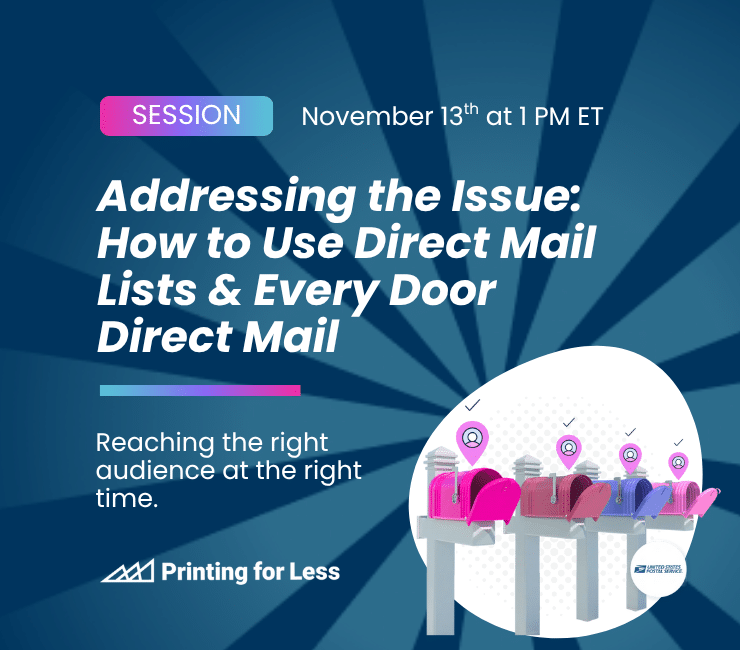
In this virtual session, we’ll explain why now is the perfect time to get going with your direct mail loyalty gifting strategy for the 2025 holiday season—and how to do it with a bang. With consumer expectations shifting, mailboxes filling up, and production timelines tightening, brands that want to see some real fireworks this holiday season need to start planning now. 

Join us as we look at: 

  • 2025 Holiday Season Trends: What’s changing in consumer behavior, and how it affects your direct mail approach. 
  • Creative That Connects: Insights into design, messaging, and items that stand out during this peak season. 
  • Timeline Matters: A breakdown of everything you need to know to be sure creative, ordering, printing, and mailing all hit at the right moment. 
  • Tech & Tactics: How to integrate direct mail with digital channels, and personalize at scale. 
  • Avoiding Pitfalls: Common planning and production missteps to make your holiday marketing less stressful.

You’ll leave with a clear action plan and expert tips to elevate your 2025 holiday loyalty campaigns—and it all starts now. 

Bonus: Attendees will receive a downloadable 2025 “Direct Mail Holiday Prep Checklist.”

Marketing 101 for Small Businesses: 4 Best Practices

Marketing 101 for Small Businesses: 4 Best Practices

Acquiring customers takes more than great products and services. It also requires a strong marketing strategy that drives audience members to engage with your business and ultimately make a purchase. As a small business, however, you might not have the know-how or manpower to execute a robust marketing plan.

With limited time, staff, and budget, small business owners need to prioritize only the most impactful marketing tools and strategies. This lays a solid foundation that you can build on and develop as your business grows and changes. If you want to grow customer acquisition and loyalty through marketing, start with the tips in this guide.

Build a Website That Works for You

Think about the last time you needed to purchase an item, like plant food or a hammer, that wasn’t available at a store you frequent. You probably whipped out your smartphone and looked up where the nearest plant nursery or hardware store was. Then, you navigated to their website and quickly perused it to determine if the shop offered what you needed.

What does this tell us? Your small business’s website is often the first impression potential customers have of your business. An effective site can be one of your most valuable marketing assets.

According to eTailPet, consider these elements when designing your website:

  • Visuals and branding: Visual elements like your business’s logo, brand colors, typography, and imagery inform a web visitor’s first interaction with your website. Make sure that your website is visually appealing and accessible. This might mean implementing practices like ensuring the right contrast level between foreground and background colors.
  • UX and navigation: Your website should provide a good user experience (UX) by having a clear navigation menu, mobile-friendly design, search bar, and optimized load speed. You should also highlight key actions to guide visitors, such as by adding buttons labeled “Shop Now” or “Book Appointment.”
  • E-commerce: Aside from allowing visitors to learn more about your business, your website can also enable sales by allowing customers to purchase products online. If this option interests you, create product listings, synchronize your inventory with your real-time stock, and offer secure payment processing.

Your website is the place to show that your business is trustworthy and well-regarded. Social proof is a powerful way to do this. Include customer reviews, testimonials, and certification badges on your website to boost your credibility and show visitors that your small business deserves their patronage.

Use POS Tools to Power Your Marketing

Usually, when people think of marketing tools, they’re not imagining a point of sale (POS) system. Modern POS tools go beyond transactions and can even assist you in building stronger customer relationships.

Here are a few ways your POS system can support your marketing efforts:

  • Customer contact info: At checkout, ask customers for their email or phone number in exchange for digital receipts or loyalty points to capture their contact information. Then, send follow-up communications thanking them for their purchase and encouraging them to visit again.
  • Learn from customer data: Your POS system can identify repeat buyers, top-selling products, and seasonal trends to shape your marketing strategy. For instance, a pet store’s POS system might help the business identify that only one specific type of customer purchases your most expensive dog food, helping you target the right individuals for promotion.
  • Integrated tech stack: You can integrate your POS system with your marketing tools and customer relationship management (CRM) platform so your data flows easily from one system to another for easy communications.

Don’t overlook the impact a robust POS provider can have on your store. For best results, look for a system built specifically for your type of small business to ensure it meets your needs.

Choose the Right Marketing Channels for Your Business

Although omni-channel marketing allows you to reach the widest audience, it’s extremely challenging for a small business owner to juggle marketing on every available channel while managing day-to-day operations. Luckily, you don’t need to market everywhere. You just need to focus on the channels that matter most.

Prioritize channels based on your audience’s preferences and your capacity. MassageBook recommends starting this process by identifying your target market based on your business’s sector. As part of this process, develop client personas that include details about demographics, needs, habits, and marketing preferences. In particular, think through where your customers spend time and how they like to interact with your brand.

For instance, if your store is brick-and-mortar only, that narrows your audience down to local individuals. In that case, direct mail marketing through letters, postcards, and flyers might be the most impactful and effective route to take. On the other hand, if you operate an e-commerce store, then you may use social media to attract a wider range of customers.

It’s easiest to conduct this process if you already have marketing data to review. If you don’t have any information yet, go with your best judgment and review your results periodically. If certain channels are outperforming others in terms of ROI, then you know where to focus your attention!

Create Simple, Repeatable Campaigns

When you’re starting your business, having an easily repeatable marketing campaign that attracts customers is extremely valuable. Consistency beats complexity in marketing, so you should prioritize campaigns that are easy to replicate.

Here are a few tips for creating easily repeatable marketing:

  • Plan around seasons and events: Depending on your business type, you can create campaigns for back-to-school, holidays, or store anniversaries that you update each year. For example, a pet store that offers flea and tick prevention treatments in the spring and summer can create an annual marketing message promoting these treatments during those seasons.
  • Recycle and repackage content: “Syndication” in marketing refers to republishing content on multiple platforms or channels. Use this principle to repurpose a single marketing message into communications across all your channels. For instance, you can turn a print flyer you designed into an email, social media post, and even a poster.
  • Automate simple tasks: Your marketing tools should enable you to schedule posts, emails, and other communications, allowing you to essentially set it and forget it. If you’re running promotions or discounts as part of your marketing strategy, your POS system should be able to help with that.

Remember to set up a system for tracking key data points. Measure metrics like website traffic, customer acquisition rates, message open rates, click-through rates, social engagement, sales, and coupon redemptions to understand what works and what doesn’t. 


You don’t need a large budget or dedicated team members to successfully market your small business. However, it’s important to keep your limitations in mind and work around them. With the practices in this guide, you’ll be able to craft a marketing strategy that engages customers at every stage of the customer journey and ensures that your business stays booming. 

Graphic Design for Small Businesses: How to Get Started

Graphic Design for Small Businesses: How to Get Started

You’ve probably heard that graphic design and branding are some of the best ways to establish yourself when you start a business. Your company’s visual identity helps your customers remember you and sets you apart from the crowd.

You don’t need to be a design pro to make your brand stand out. With today’s tools and a little guidance, small business owners can easily create designs that boost brand visibility and engagement.

This guide walks through the essential steps of getting started with graphic design and both logistical and aesthetic best practices to ensure eye-catching, effective branding for your business.

Define Your Brand Identity First

Before creating any visual materials, it’s important to clarify your brand’s identity. This includes visual elements (like your logo, colors, and fonts) and verbal elements (like your mission statement, values, and tone).

MassageBook’s guide to marketing suggests you take these steps to establish your brand:

  • Identify your brand personality: Think of a few adjectives that you want customers to associate with your brand. Do you want them to think of your brand as playful? Serene? Professional? These choices will inform your design strategy and ensure that you reinforce those feelings.
  • Develop a consistent look: While your brand personality can be anything from professional to irreverent, consistency should be a top priority in your graphic design efforts. Out-of-step visual branding makes your business look untrustworthy and illegitimate, but uniform colors and font usage instill confidence in your customers. 
  • Create a basic brand style guide: Having a document to refer to while creating marketing materials is extremely helpful when ensuring visual alignment. Take note of specific colors (down to the hex codes), fonts (including whether/when to use elements like bolding or italicization), and images (such as best practices for finding stock images or creating your own images).

Taking these steps helps you build a strong foundation for your graphic design efforts and ensures that you have a clear vision for what your design should communicate about your brand.

Understand What Works

If you’re new to design, one of the best ways to build confidence is by seeing what tools and design approaches are working for businesses like yours. Your peers can be a rich source of inspiration, and today’s design tools make it easier than ever to bring those ideas to life.

Here are a few ways to approach your research:

  • Start by collecting examples of websites, mailers, and other marketing materials you admire, especially from businesses in your industry or local area. For example, if you run a massage practice, look at other massage therapist websites to see what platforms they use and how they use design elements to connect to an audience similar to yours.
  • Find a mentor who can help you follow marketing best practices. Ask connections in your existing network how they approach marketing and find online communities that offer relevant advice for your industry and goals.
  • Match your tools to your needs, whether you want full creative control or a more guided design experience. Look for features like drag-and-drop editing, font and color customization, and pre-set sizes for print formats. Additionally, seek out templates that are specific to small business needs or to your industry to make the process even smoother.

Remember, taking inspiration from others and using plug-and-play design tools doesn’t mean simply copying others’ work. You need specific knowledge of your audience’s personalities and preferences to create successful designs that resonate with them.

Design Essentials: Keep It Simple and Impactful

When it comes to design, sometimes less is more. Clean layouts, legible fonts, and strong visuals are your best assets. Here are some basic best practices to keep in mind:

  • Use hierarchy. Hierarchy refers to the arrangement of content according to its relative importance. Instead of confusing readers by giving them every piece of information all at once, map out a clear journey for how their eyes should travel through a page. Headlines, for example, should draw their attention first with larger fonts at the top of the page, and then should break into subheaders if necessary.
  • Avoid clutter. Colorful and engaging design is great, but too much visual information can become overwhelming. Embrace white space on the page to give readers’ eyes a break. 
  • Choose high-quality, relevant images or icons. Which business would you trust more: one that uses blurry images in its marketing materials, or one that uses high-quality images? Crisp, high-resolution images show readers your professionalism and provide a way for you to break up any text elements in your materials. Make sure your images align with your brand guidelines, too.

These simple tips will keep your marketing messages focused and clear. Regularly revisit your design strategy to see how people react to different design approaches. For instance, try conducting A/B testing to see how interactions with your content vary based on design.

Design for Print vs. Digital

Allegiance Group + Pursuant’s guide to omnichannel marketing defines the term as “a communication strategy that integrates various communication channels to create a unified, consistent experience for your audience of supporters.” It’s important to incorporate your graphic design into every channel at your disposal, including text, email, and direct mail, and tailor your design to each platform.

Here are a few ways you can do that:

  • For direct mail and print pieces: Use the CMYK color model to ensure consistent color output and set your resolution to at least 300 DPI for sharp images. Incorporate bleed and margin guides so nothing essential gets cut off during printing. Also, save your files in printer-friendly formats like PDF/X and double-check that fonts are embedded or outlined to prevent rendering issues.
  • For digital platforms: Design in RGB color mode, which offers more vibrant colors on screens. Save your images in web formats like PNG or JPEG to optimize their loading speed, and aim for a resolution of at least 72 DPI. If your designs will appear on a website or social feed, make sure they are responsive to various screen sizes.
  • For email campaigns: Keep it simple. Avoid overly complex layouts and make sure your design looks good on various email clients and devices. Use standard image sizes (600–800px wide) and add alt text for accessibility.

Using various communication channels and platforms helps you better connect with your audience and increase brand recognition. Encourage interaction across platforms by implementing strategies like adding QR codes to print materials or adding a sign-up form for direct mail to your website.

When to Hire a Designer (and How to Do It Affordably)

Sometimes, it’s worth investing in professional help. Whether your business is undergoing a rebrand or launching a major campaign, outside expertise can ensure that you make the right impression. Professionals can help you build a new brand identity that feels true to your roots and assist you in complex design situations like multi-piece direct mail campaigns.

While looking for the right design service, be sure you’re asking the right questions in advance. What is their experience with various media? Can they provide file formats that meet your printer’s requirements? Do they include revisions in their pricing? Look into their reviews, case studies, and testimonials to see what types of organizations they work with and the results of their previous projects to determine if they would be a good fit for your small business.


With a clear brand identity, the right tools, and an understanding of design best practices, you can create visuals that leave a lasting impression. Your graphic design is your way of showing the world who you are and what you do, so taking the time to thoughtfully create your brand identity is well worth the effort.

  • « Go to Previous Page
  • Page 1
  • Page 2
  • Page 3
  • Page 4
  • Interim pages omitted …
  • Page 47
  • Go to Next Page »

Footer

Printing for Less

info@printingforless.com
100 P F L Way, Livingston, MT 59047

800-930-2423

  • Home
  • Products
  • Services
  • Industries
  • Get Printing Samples
  • Direct Mail Marketing Resource Center
  • Printing Resource Center
  • Blogs
  • Templates
  • Terms & Conditions
  • Contact
  • About Printing for Less
  • About P F L
  • Careers
  • Login

Copyright © 1998-2025 PrintingforLess.com. All Rights Reserved.

logo
  • 800-930-2423
  • Products
  • Direct Mail Marketing
  • Services
  • Industries
  • Direct Mail Marketing Resources
  • Printing & Mailing Resources
  • Get a Quote
  • Contact Us
  • My Login
2026 Calendar
This field is for validation purposes and should be left unchanged.

Get 20% Off

Subscribe to our weekly newsletter and get an instant 20% off your first print project.

Name(Required)

*Some exclusions apply. See details